Call Us: 804-518-8332
Call Us: 804-518-8332

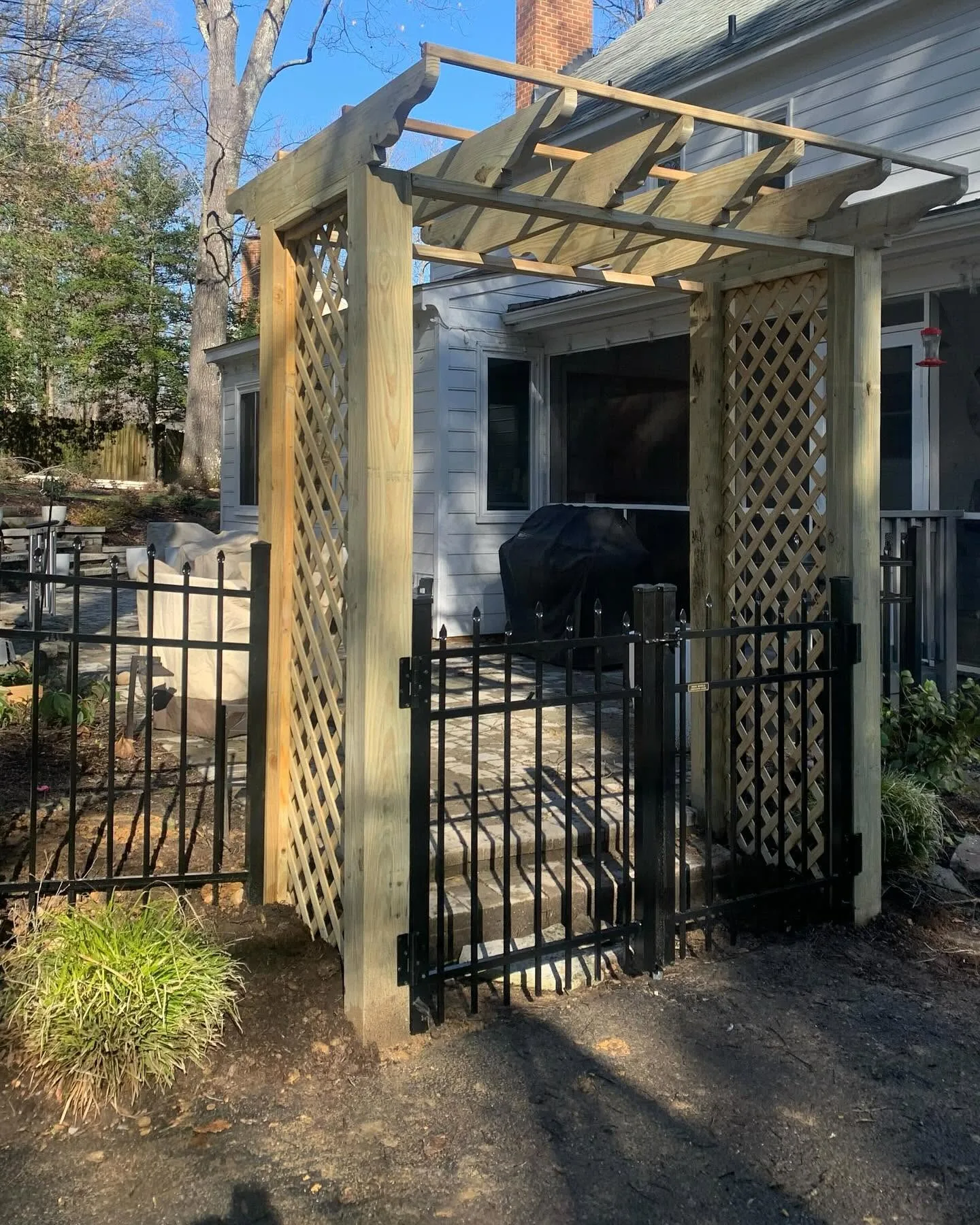
A pergola can be a valuable addition beside a backyard pool when it creates a useful place for lounging, dining, or entertaining out of direct sun. Whether it belongs next to the water depends on the available deck space, shade pattern, pool access, and how the backyard is already used.
A traditional open-roof pergola provides partial, changing shade rather than complete all-day coverage. Homeowners looking for consistent overhead shade or dependable rain protection may be better served by a different type of covered structure.
A poolside pergola can turn an exposed portion of the deck into a defined seating or dining area while keeping people connected to the pool.
It works particularly well when swimmers and guests need a place to sit out of direct sun without moving to another part of the backyard.
A pergola can provide:
Its value comes from making the existing pool area more useful. If the deck is already crowded or walking space is limited, adding another structure may make the layout less functional rather than better.
A pergola can provide useful shade, but an open-roof design does not block the sun like a solid roof.
The amount and location of shade change with the sun angle, overhead member orientation, pergola position, and time of day.
For a Virginia Beach pool, homeowners should pay particular attention to the hours when the pool is actually used. A structure that shades a seating area in the morning may provide much less coverage during a late-afternoon gathering.
| Option | Shade | Rain Protection | Space Requirements | Best Application |
| Pergola | Partial and changing | Limited | Requires room for posts and furniture | Lounging, dining, and partial shade |
| Covered patio | More consistent overhead shade | Greater protection | Requires roof and structural planning | Homeowners prioritizing coverage |
| Open pool deck | Depends on surrounding shade | None | Preserves the most open space | Swimming, circulation, and flexible furniture |
A pergola is most useful when partial shade is enough for the activity planned beneath it.
The best position gives the intended seating or dining area useful shade without interfering with pool circulation, visibility, or safety.
That does not always mean placing the pergola immediately beside the water.
A pergola close to the pool may make sense for lounge chairs and swimmers moving between sun and shade. A structure farther back may work better for dining or a separate entertaining area.
The layout should preserve:
The structure also needs enough physical room to be supported correctly. A pool deck may look like an obvious place for a pergola, but the surface beneath it still has to accommodate the structural requirements of the new addition.
Building beside an existing pool requires confirming where pergola posts can be properly supported.
An ordinary pool-deck slab or paver surface should not automatically be assumed capable of supporting pergola posts, lateral loads, and wind uplift. Depending on the structure and site, dedicated footings or another appropriately designed foundation may be necessary.
Post locations also need to account for pool plumbing, drainage lines, electrical systems, and other underground utilities before excavation or anchoring begins.
This is especially important around an existing pool because much of the infrastructure serving it may already run beneath the surrounding deck or yard.
A pergola should not interfere with the pool's required safety barrier, gates, or access controls.
Virginia Beach requires effective swimming-pool barriers intended to prevent children from going over, under, or through the barrier and reaching the pool without supervision.
Pergola posts, furniture, and the proposed structure location should therefore be considered in relation to the existing enclosure. A new feature should not make the barrier easier to climb or otherwise reduce its effectiveness.
Any planned changes to the pool enclosure should be checked against the requirements that apply to the specific property before construction.
They can. Metal components and electrical equipment near a swimming pool may be subject to special pool-area bonding and electrical requirements.
The International Residential Code contains equipotential-bonding provisions for certain fixed metal parts and electrical equipment located near pools, subject to specific distances, conditions, and exceptions.
If the pergola includes metal structural components or electrical equipment, a qualified electrical professional should determine which requirements apply to the actual design and its location relative to the pool.
The important homeowner takeaway is simple: a poolside pergola should not be treated electrically like the same structure installed elsewhere in the yard.
Wood, aluminum, vinyl, and steel can all be used for pergolas, but the right choice depends on the design, structural requirements, and exposure at the property. Chesterfield Fencing & More lists these materials among its pergola options for Virginia Beach.
Virginia Beach's coastal environment makes more than appearance relevant. Wind exposure, moisture, salt air, foundations, connections, and corrosion resistance can all affect how a pergola should be built. Chesterfield's own Virginia Beach guidance also identifies wind resistance and coastal durability as important design considerations.
| Material | Potential Advantage | Main Poolside Consideration |
| Wood | Natural appearance and design flexibility | Exterior protection and connection durability |
| Aluminum | Resistance to rust and relatively low routine upkeep | Coatings, structural design, connections, and applicable electrical requirements |
| Vinyl | Does not rot like wood | May depend on internal reinforcement and compatible structural components |
| Steel | Can support certain demanding designs | Protective finishes, corrosion control, and structural specifications |
Material choice alone does not determine wind resistance.
Structural performance also depends on post foundations, beams, connections, bracing, and resistance to wind uplift. No pergola should be described as storm-proof simply because of the material used.
Properties with greater salt-air exposure may also require more attention to corrosion-resistant connectors, fasteners, coatings, and other metal components.
There is no single poolside pergola price because cost changes with the structure, material, site, foundation needs, and construction complexity.
A simple freestanding design on an open site can involve a very different scope from a larger pergola built beside an existing pool deck.
Major cost factors can include:
An attached pergola may also require review of the home's structure, roofline, drainage, flashing, and connection points.
The practical comparison is between complete project scopes rather than assuming that one pergola style or material will always cost less.
A poolside pergola makes sense when it creates a genuinely useful place to sit, dine, or relax in partial shade without crowding the deck or interfering with the pool's safety features.
For some backyards, that may mean a pergola close to the water. For others, leaving the pool deck open and placing the structure farther into the outdoor living area can create a better balance between swimming, seating, and circulation.
Chesterfield Fencing & More offers pergola installation in Virginia Beach for homeowners who want to add a dedicated outdoor gathering space alongside their existing backyard layout.