Call Us: 804-518-8332
Call Us: 804-518-8332

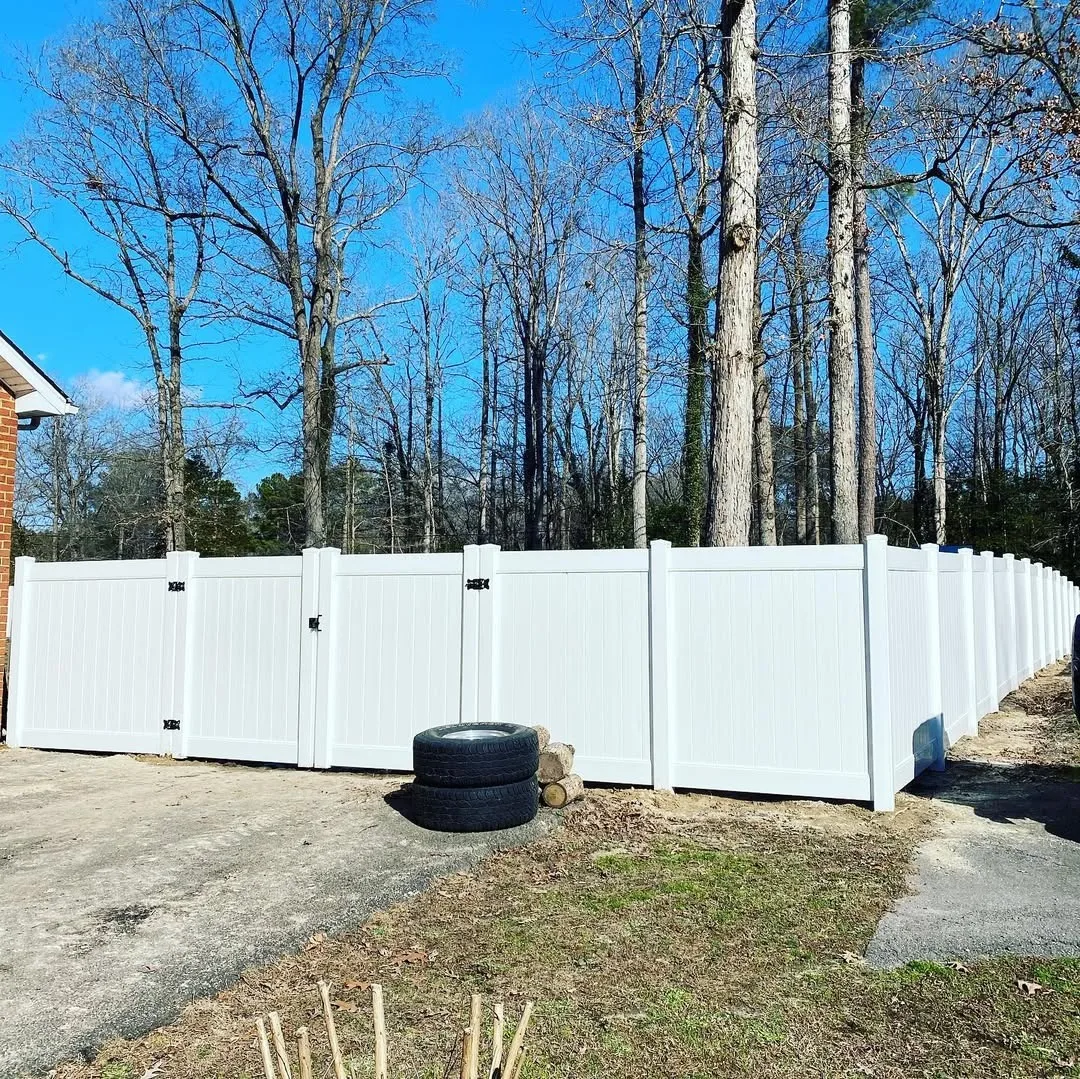
Fences are essential for property boundaries and security, but in coastal areas like Virginia Beach, they face unique challenges from high winds. Understanding how fences typically fail during storms can help you choose the right materials and installation methods to ensure your fence lasts. This article explains how wind pressure affects fences, common failure points, expert recommendations for wind-resistant fencing, and practical steps you can take to protect your investment against coastal weather.
Most fence failures in high winds don’t start with the panels themselves—they begin at the posts. When wind pressure builds against a solid fence, it acts like a sail, exerting significant force on the posts. This "sail effect" causes stress that can make posts lean, loosen, or even snap at ground level. Solid privacy fences, which block airflow, take the full brunt of the wind, increasing pressure on the structure. In contrast, fences designed with gaps between panels allow wind to pass through, reducing the overall load and risk of failure.
Wind load on fences depends on several factors, including fence height, panel design, and post spacing. Posts spaced too far apart—typically more than 6 to 8 feet—are more likely to fail because they must support larger sections of fencing under wind pressure. Additionally, coastal soil conditions in Virginia Beach, which often consist of sandy soil, require posts to be set deeper and anchored with substantial concrete footings to prevent shifting or loosening during storms. Shallow-set posts or inadequate anchoring significantly increase the risk of fence failure in high winds. In many storm cases, you’ll see entire fence sections leaning in one direction where posts failed at ground level.
Fence failures usually result from a combination of material limitations, design issues, and installation errors. Many homeowners focus on panel style, but the real failure point is almost always below ground. Key failure points include post failure, panel blowout, and hardware and gate failures.
Choosing the right materials and designs is critical for wind resistance. Experts recommend:
Proper post-installation is equally important. In sandy coastal soils, posts often need to be set deeper than standard recommendations—often 30 inches or more—and anchored with substantial concrete footings to prevent movement. Maintaining a post spacing of 6 to 8 feet reduces stress on individual posts and panels. Professional installation ensures these critical factors are addressed correctly. Chesterfield Fencing and More LLC specializes in residential fencing solutions designed for durability and wind resistance in coastal environments.
To protect your fence from wind damage, focus on the following key steps:
If your fence has wide spacing or solid panels with no airflow, it’s more vulnerable in strong winds. These simple homeowner self-checks can help you identify potential weaknesses before storms arrive.
Fence failure typically results from post instability, panel blowout, and hardware failure. Posts that are not deeply anchored or spaced too far apart cannot resist the wind’s force, leading to leaning or snapping. Large solid panels without reinforcement can flex or detach, while hardware such as hinges and fasteners may fail under stress. Environmental factors like salt air accelerate material degradation, further weakening the fence over time.
Coastal winds in Virginia Beach are often strong and sustained, creating continuous pressure on fences. The salt in the air can corrode metal components and degrade wood treatments, reducing their lifespan. Sandy soils common in coastal areas provide less natural support for posts, requiring deeper installation and more concrete anchoring. These conditions demand specialized design and installation techniques to maintain fence stability.
Wood fences, while visually appealing, are vulnerable to warping, cracking, and breaking under high wind pressure. Vinyl fences with large solid panels can flex excessively or have panels pop out if not reinforced. Metal fences are generally strong but can corrode if not properly treated for coastal environments. Recognizing these vulnerabilities helps you select the best materials for wind resistance.
For Virginia Beach’s coastal conditions, the most wind-resistant materials include:
Choosing materials that match the local environment and wind conditions is essential for fence longevity.
Vinyl fencing resists rot and decay and requires minimal maintenance, but it must be reinforced to prevent panel blowout in high winds. Metal fencing, especially galvanized steel, offers superior durability and rust resistance, making it ideal for salty coastal air. Both materials provide strong wind resistance when installed with proper post depth and spacing.
Wood fences can be less durable in high winds due to their susceptibility to warping, cracking, and rot. Treated wood and reinforced designs improve strength but require regular maintenance to prevent deterioration. Wood posts must be set deeply and well-anchored to resist wind forces effectively.
Key installation techniques to prevent wind damage include setting posts deeply into concrete footings, maintaining appropriate post spacing of 6 to 8 feet, designing fences to allow airflow through gaps or lattice, and reinforcing structures with bracing or metal supports. Many homeowners overlook the importance of what’s below ground, focusing instead on panel style. However, proper post anchoring and spacing are the foundation of wind resistance. These methods collectively improve a fence’s ability to withstand coastal wind loads.
Proper post anchoring is critical for wind resistance. Deeply set posts anchored in concrete provide a stable foundation that resists lateral wind forces. In sandy coastal soils, posts must be set deeper than usual—often 30 inches or more—and surrounded by concrete footings to prevent shifting or loosening. This anchoring prevents posts from leaning or snapping, which is the most common failure point in wind-damaged fences.
Professional fence installation is vital in storm-prone areas like Virginia Beach because experienced contractors understand local soil conditions, wind loads, and material performance. They ensure posts are set to the correct depth with adequate concrete footings, maintain proper post spacing, and select appropriate materials and designs. This expertise reduces the risk of premature fence failure and costly repairs, providing you with peace of mind during severe weather.
After storms, you should inspect your fence for damage and take prompt action to maintain structural integrity. Recommended steps include regular inspections for leaning posts, loose panels, broken boards, and damaged hardware; stabilizing leaning sections; replacing broken or warped boards; and tightening or replacing fasteners. Use caution when inspecting and repairing fences, especially after severe weather. Timely maintenance helps extend your fence’s life and prepares it to withstand future storms.
Effective post-storm repairs include reinforcing leaning or damaged posts with braces or by resetting them in concrete, removing and replacing broken or warped panels to restore appearance and function, and tightening or replacing screws, nails, and hardware to prevent further damage. These repairs restore the fence's stability and improve its resilience against future wind events.
You should seek professional help when you notice significant damage, such as leaning posts, broken panels, or hardware failure. Professional contractors can assess your fence’s condition, recommend appropriate repairs or replacements, and ensure that installation meets local wind-resistance standards. For new installations or major repairs, hiring experts like Chesterfield Fencing and More LLC ensures your fence is built to withstand Virginia Beach’s coastal wind conditions.
Don’t leave your fence vulnerable to Virginia Beach’s harsh coastal winds. Trust the professionals at Chesterfield Fencing and More LLC for durable, wind-resistant fencing solutions designed specifically for your property. Contact us today to help ensure your fence is built to handle Virginia Beach’s coastal wind conditions.