Call Us: 804-518-8332
Call Us: 804-518-8332

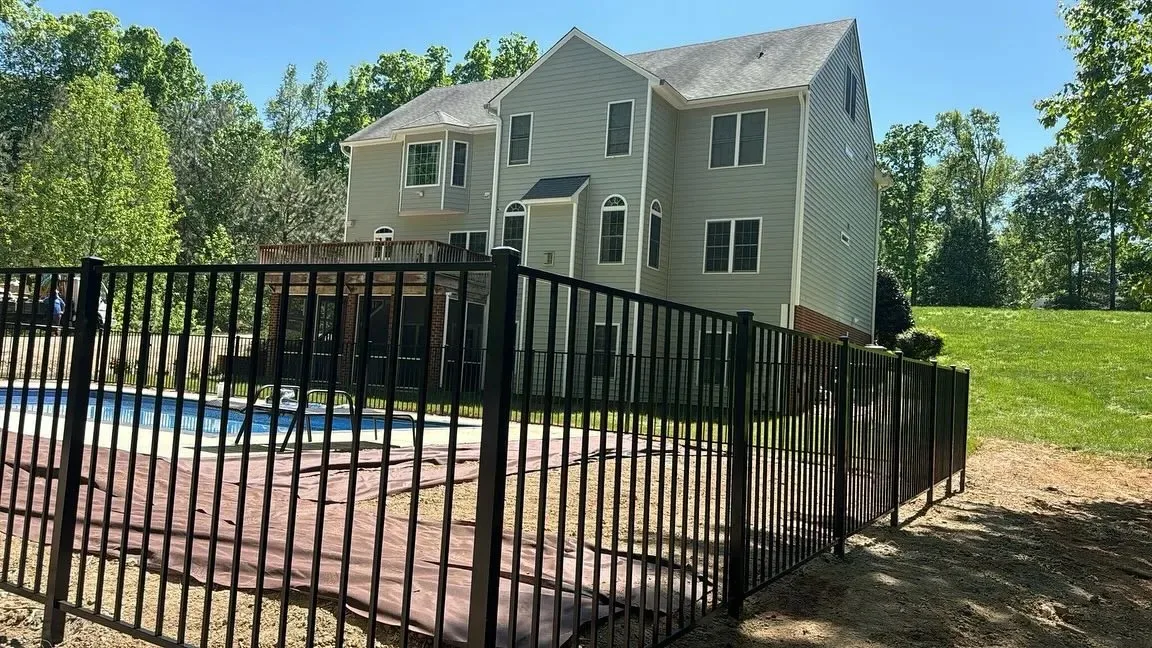
Salt air can affect aluminum fencing, but aluminum does not rust like iron or steel because it contains no iron. That does not mean aluminum is completely immune to coastal corrosion.
In Virginia Beach, airborne salt, humidity, wind-driven moisture, and proximity to the Atlantic Ocean or Chesapeake Bay can increase exposure around waterfront and near-coastal properties. Over time, that exposure can contribute to oxidation, finish deterioration, staining, or corrosion, especially where the protective coating is damaged or the fence is exposed to concentrated salt.
For homeowners, the practical question is not whether aluminum is “corrosion-proof.” It is whether the material, finish, hardware, fence style, and installation are appropriate for the specific level of coastal exposure on the property.
This guide explains how salt air affects aluminum fencing, how rust differs from aluminum corrosion, how powder coating helps, and what Virginia Beach homeowners should compare when choosing a fence near the coast.
No. Aluminum cannot develop iron rust because rust requires iron.
However, aluminum can still oxidize and corrode under coastal conditions. That means the surface can change even though it does not develop the reddish-brown rust typically associated with steel or iron.
Rust is a form of corrosion that affects iron-containing metals.
Aluminum corrosion can appear as oxidation, discoloration, pitting, or surface deterioration depending on the exposure and the condition of the finish.
That distinction matters because saying aluminum “doesn’t rust” is accurate, but saying it “cannot corrode” would be misleading.
Virginia Beach's coastal environment can increase corrosion exposure because salt and moisture are often present in the air.
Properties closer to the ocean, Chesapeake Bay, inlets, marshes, or other saltwater areas may experience more concentrated exposure than homes farther inland.
Coastal conditions that can affect fencing include:
Not every Virginia Beach property experiences the same level of exposure.
A home several miles inland may face a different environment from a beachfront or waterfront property, so material and finish selection should reflect the actual site rather than the city name alone.
Generally, yes. Properties closer to saltwater are usually more exposed to airborne salt and moisture.
That does not mean every fence near the ocean will corrode quickly. Distance from the water, prevailing wind, vegetation, buildings, elevation, and the fence's exposure can all influence the actual environment.
For example, a fence directly facing open water may experience more salt and wind than one protected behind the home or surrounding structures.
The closer and more exposed the property is to saltwater, the more important it becomes to evaluate the fence material, coating, hardware, and installation details together.
Powder coating provides a protective finish over the aluminum and helps reduce direct exposure to moisture, salt, and other environmental conditions.
It also gives ornamental aluminum fencing its consistent color and finished appearance.
However, powder coating should not be treated as indestructible.
Its performance can be affected by:
Any cut ends, drilled holes, or field-modified areas should be handled in accordance with the manufacturer’s recommendations to avoid compromising the protective finish.
Homeowners should also review finish warranties and any manufacturer care instructions for coastal exposure.
The finish is one part of the system. The underlying aluminum, fasteners, gate hardware, connections, and overall exposure still matter.
Aluminum often has an advantage in coastal environments because it contains no iron and therefore cannot develop iron rust. Steel and iron can rust when their protective coatings are compromised, and the metal is exposed to moisture and salt.
That does not make aluminum universally better for every property.
| Consideration | Aluminum | Steel / Iron |
| Iron rust risk | No iron rust | Can rust if exposed |
| Coastal corrosion | Possible oxidation or corrosion | Greater concern where coating fails |
| Coastal suitability | Often strong with appropriate finish and hardware | Can work, but finish condition becomes especially important |
| Appearance | Open, ornamental | Ornamental, heavier visual profile |
| Privacy | Limited | Limited unless combined with another system |
| Weight | Lighter | Heavier |
| Key consideration | Finish quality, exposure, hardware, site conditions | Coating integrity, rust exposure, hardware, site conditions |
For Virginia Beach homeowners, the decision should be based on the complete fence system rather than metal type alone.
Even when the fence panels are aluminum, hinges, latches, screws, brackets, fasteners, and other gate hardware should be selected for coastal exposure.
It can be. Aluminum is often a good fit where homeowners want an open fence that preserves views and avoids the solid wind profile of a privacy fence.
That can be especially useful on waterfront, canal, marsh, or bay-facing properties where sightlines and airflow matter.
Aluminum may make sense when:
However, a waterfront view alone does not make aluminum the right choice.
The fence still needs to fit the property's privacy needs, pet containment requirements, gate locations, wind exposure, grade, drainage, and local requirements.
An open aluminum fence generally allows more air to pass through than a solid privacy fence. That can reduce the amount of wind pressure acting on the fence surface.
However, no fence should be described as storm-proof or hurricane-proof.
Wind performance still depends on factors such as:
A coastal fence should be evaluated as a complete system, especially where the property is exposed to strong winds or open waterfront conditions.
Finish deterioration can occur when the protective coating is damaged or repeatedly exposed to demanding environmental conditions.
Common contributing factors include impact, abrasion, scratches, hardware contact, concentrated salt exposure, and long-term weathering.
The location of the damage matters.
A small cosmetic mark is different from repeated coating damage around gate hardware, cut edges, fasteners, or areas where salt and moisture remain concentrated.
The goal is not to assume every surface mark is a corrosion problem. It is to recognize that the finish is part of the fence's coastal protection and should be considered during product selection and installation.
In exposed coastal areas, homeowners should periodically rinse salt residue from the fence with fresh water, especially around gates, hardware, and areas that collect spray or moisture.
A beachfront fence may need more frequent rinsing than a fence several miles inland because salt exposure can vary significantly by location.
The goal is not intensive maintenance. It is to reduce exposure to concentrated salt and identify coating or hardware issues before they become more significant.
Homeowners should also periodically inspect:
Scratches, chips, loose hardware, and coating damage should be addressed according to the fence or finish manufacturer’s recommendations.
Yes, aluminum can be a strong pool-fence option when the specific design meets applicable barrier requirements.
Its open appearance can preserve visibility around the pool area while defining the enclosure.
For pool applications, homeowners should consider:
Coastal exposure should also be considered because pool areas may combine humidity, moisture, and salt-air conditions depending on the property.
The material alone does not make the barrier compliant. The complete fence and gate system must be reviewed.
Start with the property's actual exposure and the job the fence needs to perform.
Material, finish, hardware, wind exposure, privacy needs, views, pets, pools, gates, soil, drainage, and local requirements should all be considered before finalizing the fence style.
Important questions include:
Before installation, Virginia Beach homeowners should also verify current permit, zoning, HOA, and property line requirements rather than assuming that every fence follows the same rules.
Aluminum can be a strong choice for Virginia Beach properties where homeowners want an open, ornamental fence with good coastal corrosion resistance and no risk of iron rust.
However, it should not be treated as corrosion-proof.
A good decision comes from matching the material and finish to the property's salt exposure, wind conditions, views, privacy needs, gate layout, pool requirements, and overall site conditions.
For some homes, that makes aluminum a strong fit. For others, a different fence material or design may better suit how the property is used.
If you are considering aluminum fencing for a Virginia Beach home, contact Chesterfield Fencing & More to review the property's coastal exposure, fence location, views, wind conditions, gates, pool requirements, and preferred design before choosing the final fence system.