Call Us: 804-518-8332
Call Us: 804-518-8332

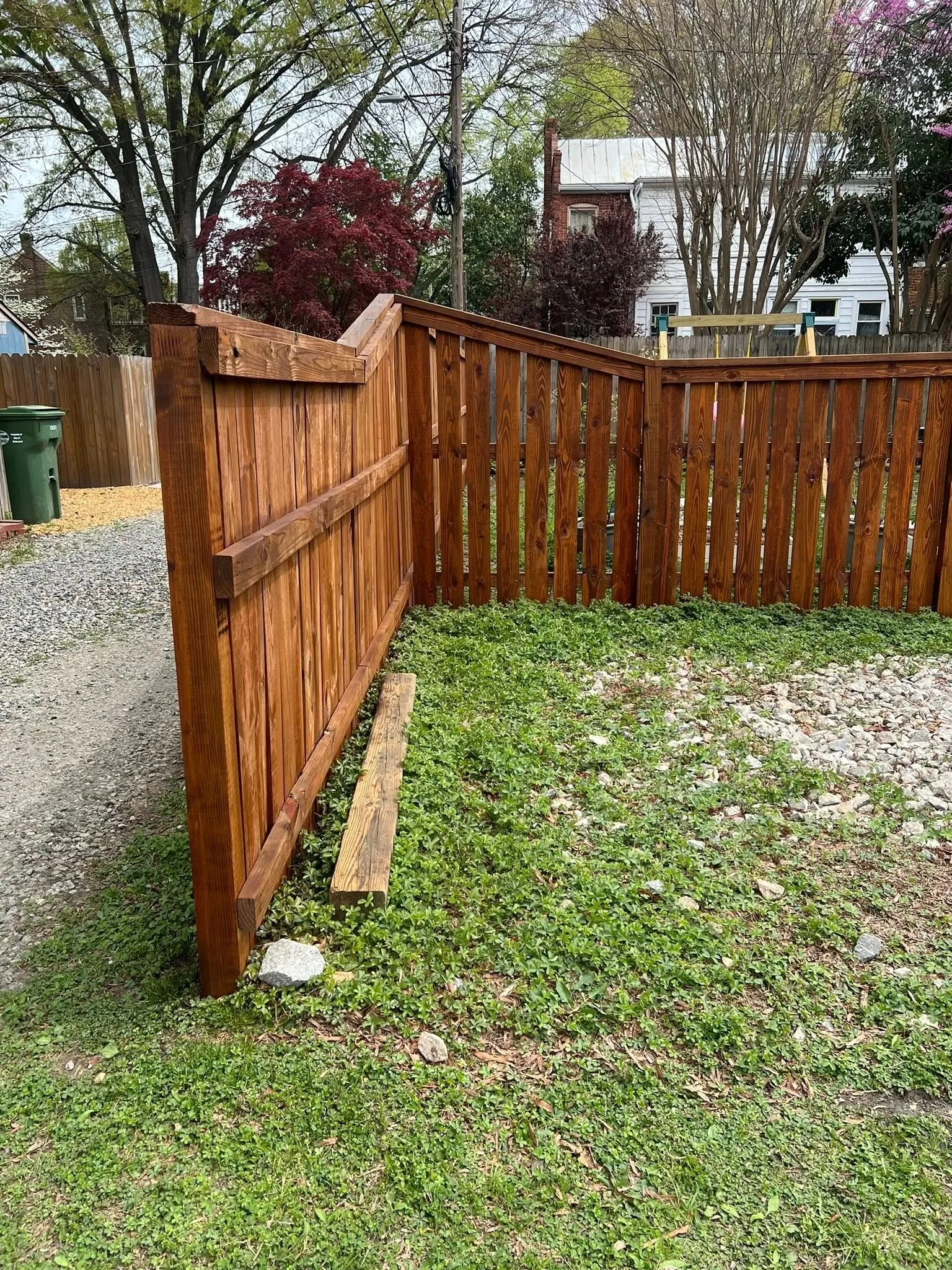
At Chesterfield Fencing & More, LLC, we are the leaders in vinyl and wood fencing in Richmond, Virginia. We've helped many of your neighbors decide between wood and vinyl fences for their home improvement projects.
While there’s no one-size-fits-all answer, this guide will walk you through everything you need to consider when choosing vinyl vs. wood fences, from maintenance to aesthetics, climate suitability, and cost.
Installing a high-quality fence that will serve your property for many years is a significant investment. The material you choose will affect how long your fence lasts and what you'll need to do to maintain it. Let's take a closer look below.
Of course, the upfront installation cost is a major factor when planning a fencing project.
Wood fencing typically comes with a lower upfront price. Speak with your trusted local installer for accurate quotes for current costs per linear foot based on your preferred wood and design. Expect premium materials like cedar or redwood to set you back more.
Vinyl fencing generally starts at a higher cost per linear foot. Ask for current pricing, and understand that it can increase based on style, thickness, and color. Vinyl often wins on long-term value due to minimal ongoing maintenance.
Virginia’s humidity is tough on wood fences. Moisture causes warping, rot, and pest problems when it's not addressed. By taking good care of your wood fence, you can expect it to last 10 to 20 years. Cedar holds up better than other woods, but it still requires regular inspections and maintenance.
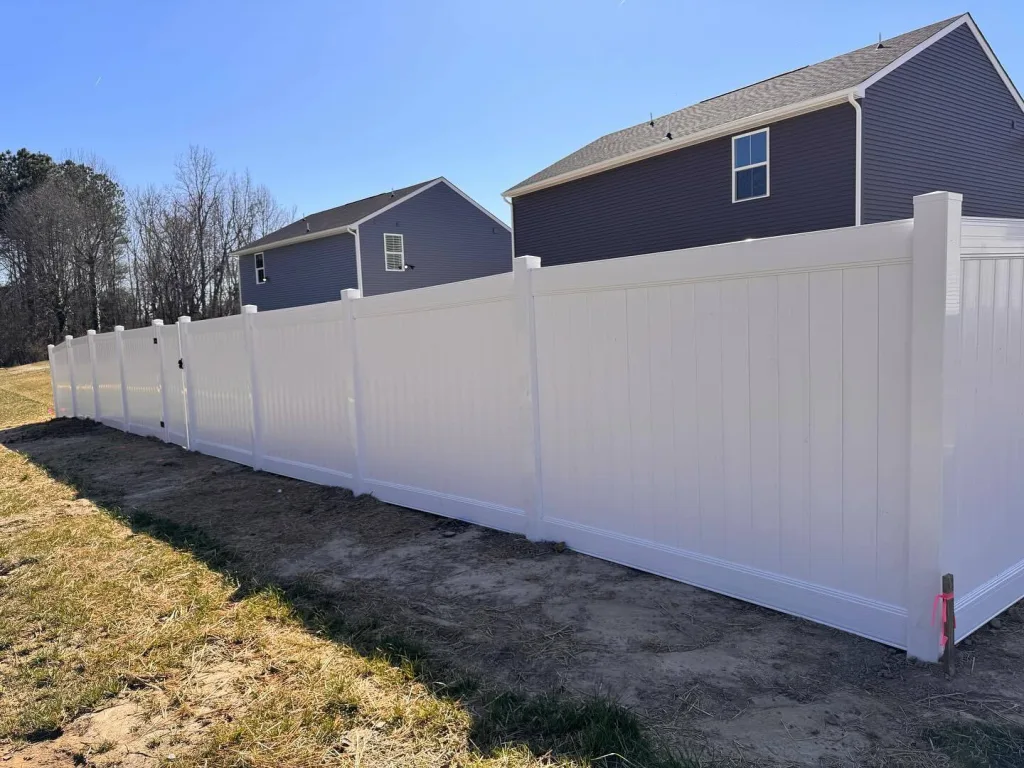
Vinyl fences are moisture- and insect-resistant, and they don’t rot or splinter. Many last over 30 years with little more than an occasional rinse.
If you want long-term performance with minimal upkeep, vinyl will deliver, and then some.
Let's briefly break down the main pros and cons of wood and vinyl fences:
Every home is different, so understanding these trade-offs helps you make the right call for your property.
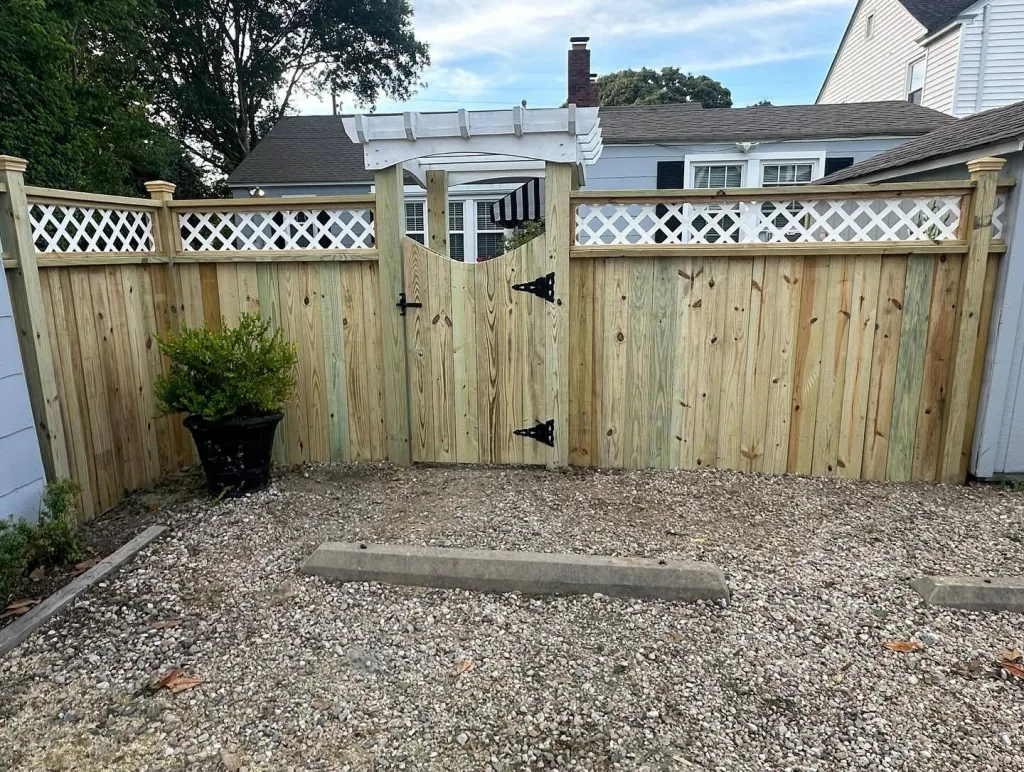
Natural wood provides virtually endless customization choices compared with manufactured vinyl. Around Richmond, you’ll see a variety of wood fence styles: picket, board-on-board, shadowbox, and split-rail fences are just a few popular choices.
Wood also lets you choose your color and finish. Paint it white, stain it dark, or let it weather naturally. You can easily add a scalloped top or decorative post caps.
Vinyl fencing comes in more limited styles, usually privacy, picket, or ranch-rail. Some designs mimic wood grain but can look less authentic up close.
If you’re after maximum style flexibility and a more natural look, wood comes out ahead.
Vinyl is the clear winner for property owners who prefer a low-maintenance option.
Wood fences in our area's climate require periodic sealing or staining. You’ll also need to regularly check for loose boards or rot and promptly spot-repair damage.
On the other hand, vinyl needs little more than a quick spray with a garden hose to stay clean. There's no sealing, painting, or splinters to deal with.
If you enjoy home projects, maintaining beautiful wood fencing can be very satisfying. But if you prefer low-stress performance, it's tough to beat the simplicity of vinyl.
Virginia weather is seasonal and unpredictable, with hot, humid summers followed by rainy winters and occasional cold snaps. In our environment, material choice matters.
Wood will perform well in Richmond if you keep up with regular maintenance. Cedar and pressure-treated pine are better choices for moisture resistance, but they still require attention.
Vinyl thrives in wet and humid conditions. It won’t swell or rot, and UV-treated panels resist fading under harsh sunlight. Some lower-quality vinyl may crack in extreme cold, but that's rare with higher-end products.
Environmentally conscious homeowners often ask about a wood vs. vinyl fence comparison. Here’s what you should know from any guide to comparing fence materials.
Wood is a renewable, biodegradable material. However, pressure-treated wood can contain chemicals, and irresponsible sourcing can impact forests.
Vinyl production includes non-biodegradable petroleum-based plastic. However, the material's superior durability means it will need far less repair or replacing, which helps reduce long-term waste. Some brands also offer recycled content.
If you prefer the most natural route, choose sustainably harvested wood and care for it to extend its life.
After walking through a full wood vs. vinyl fence discussion, here’s our expert suggestion:
Choose wood if:
Choose vinyl if:
If you're still deciding between them, request a quote from our expert team, and we’ll help you explore the best fit for your Richmond property and individual needs.
We at Chesterfield Fencing & More, LLC, bring years of experience in installation and are always ready with tips for vinyl or wood fence maintenance. We're here to help ensure Richmond area homeowners like you enjoy fences that last, look great, and work with their needs.
Contact us today at (804) 518-8332 to schedule your free quote for the perfect fence for your property!