Call Us: 804-518-8332
Call Us: 804-518-8332

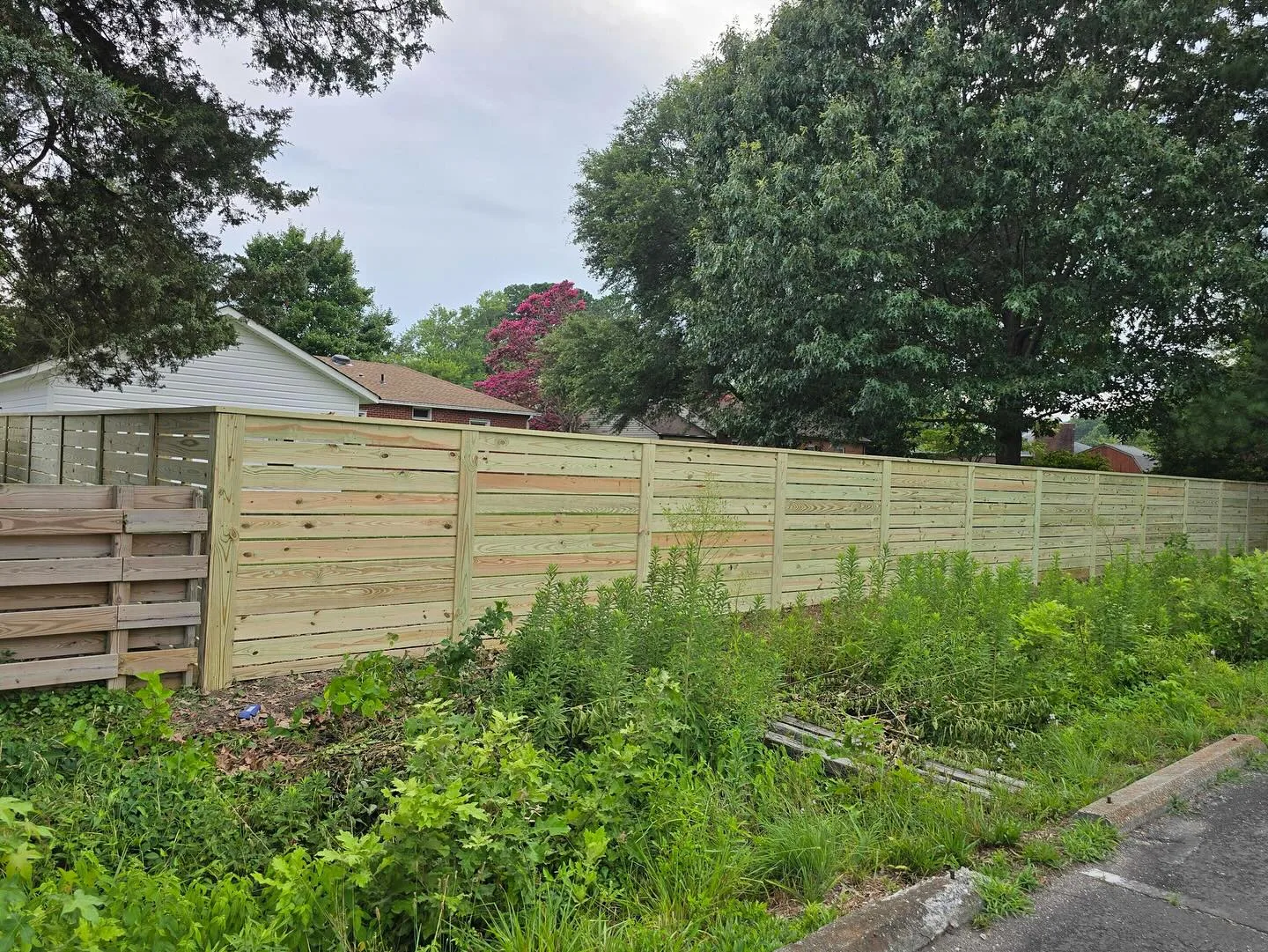
In Richmond, wood fences are constantly exposed to moisture. Between heavy summer humidity, frequent rainfall, and clay-heavy soil that holds water near the surface, even well-built fences can begin to deteriorate if moisture isn’t managed properly. Many homeowners don’t realize that rot often starts below the surface—around posts and lower boards—long before visible damage appears.
The good news is that wood fence rot in Richmond is largely preventable. With the right material choices, proper installation, and consistent maintenance, you can significantly extend your fence's lifespan. This guide explains what causes rot in damp yards, how Richmond’s climate contributes to the problem, and the practical steps you can take to protect your investment.
Wood fences rot faster in Richmond because of the area’s high humidity, frequent rain, and poor drainage. These conditions keep wood wet for extended periods, encouraging fungal growth that breaks down the wood fibers.
Controlling moisture exposure is key to slowing rot in this environment.
The main causes of wood fence rot in Central Virginia are prolonged exposure to moisture and poor installation practices.
Addressing these factors significantly reduces the risk of rot.
Yes, Richmond’s clay soil contributes to fence rot by retaining water and slowing drainage. This keeps fence posts and lower boards wet longer, increasing the chance of decay.
Improving drainage and minimizing ground contact with wood are important steps in Richmond yards.
Some woods resist rot better than others, but no wood is completely rot-proof in Richmond’s damp climate.
Pressure-treated wood is the most common choice for Richmond fences because it is infused with preservatives that slow decay. Untreated wood, such as standard pine, is much more susceptible to rot.
| Wood Type | Rot Resistance | Typical Lifespan in Richmond |
| Untreated Pine or Softwood | Low | 3–5 years |
| Pressure-Treated Wood | Moderate to High | 15–25 years |
| Cedar or Redwood | Moderate | 10–15 years |
| Vinyl or Aluminum (Alternative Materials) | Very High (No Rot) | 25+ years |
While pressure-treated wood is a solid choice, alternative materials such as vinyl or aluminum do not rot and may be worth considering.
Proper installation is critical to preventing rot. Incorrect installation can trap moisture, leading to a shorter fence lifespan.
Posts should be set deep enough (usually 2–3 feet) in well-drained soil or gravel to avoid constant water exposure. Wood in direct contact with soil or standing water rots quickly.
These steps reduce moisture buildup and fungal growth.
Yes, poor drainage is a major factor accelerating wood rot in Richmond yards.
Improving yard drainage and redirecting water away from fences helps protect wood.
A well-installed and maintained pressure-treated wood fence typically lasts 15 to 25 years in Richmond’s climate. Untreated wood fences last much less, often under 5 years.
Regular inspections and timely reapplication of sealants or stains can extend lifespan, but moisture control is the most important factor.
Consider replacing wood with vinyl or aluminum if:
Vinyl and aluminum fences are entirely moisture- and rot-resistant, making them practical alternatives in challenging environments.
Common mistakes that lead to early fence failure include:
Avoiding these errors helps extend the fence's life.
To reduce rot and extend your fence’s life in Richmond:
These practical steps, combined with informed material choices, help protect your investment against Richmond’s challenging weather.
Preventing wood fence rot in Richmond comes down to managing moisture at every stage—from material selection and installation to drainage and long-term maintenance. High humidity, clay soil, and frequent rain can cause even well-built wood fences to fail early if water is allowed to linger around posts or boards. Understanding how your yard holds moisture and addressing those risks upfront is the most effective way to extend a fence’s lifespan.
With experience working in Richmond’s wet soil conditions, Chesterfield Fencing and More LLC approaches wood fence projects with a focus on drainage, airflow, and proper ground clearance rather than relying on materials alone. That practical, site-specific approach helps homeowners decide whether wood is a good long-term fit—or when low-maintenance alternatives like vinyl or aluminum may be the smarter choice for their property.