Call Us: 804-518-8332
Call Us: 804-518-8332

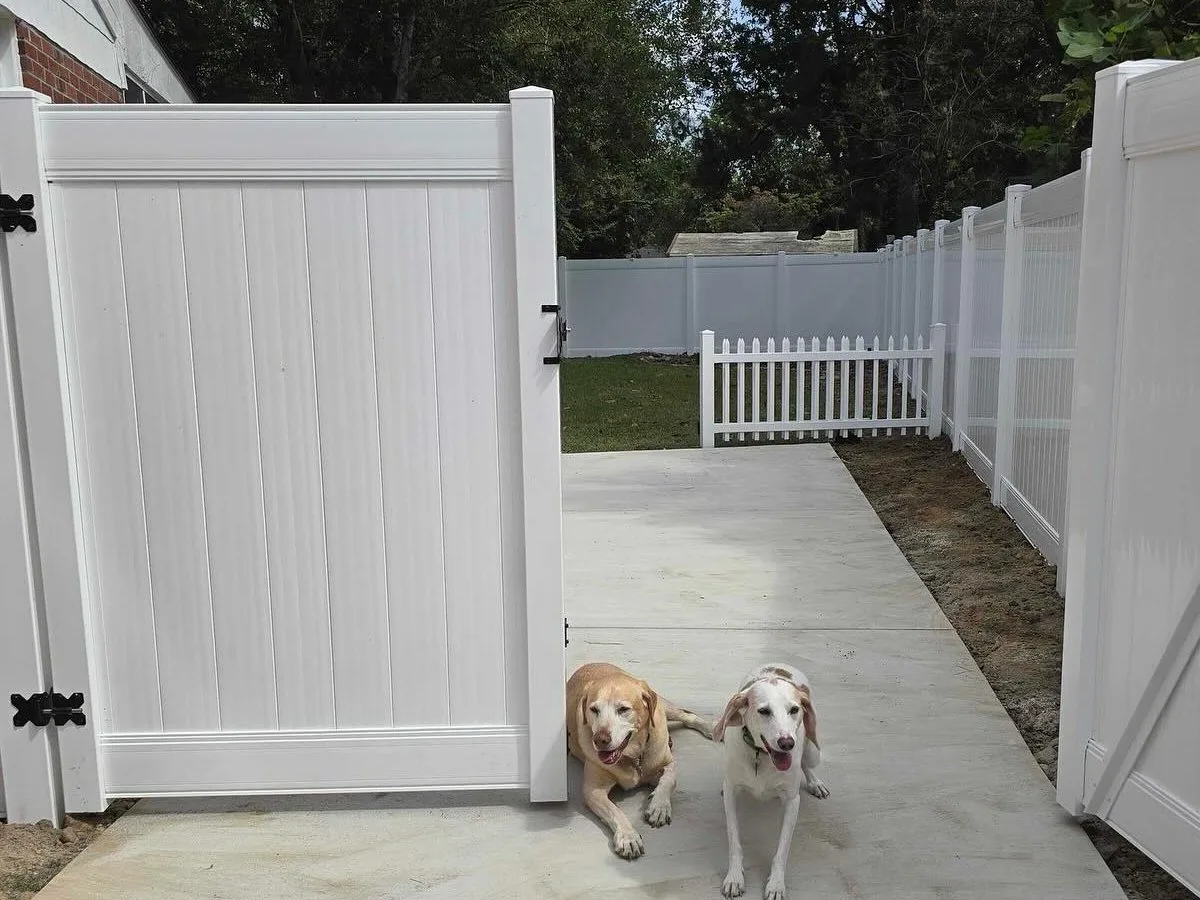
Picking the right fence matters—especially when pets are part of your family. In Richmond, VA, a truly pet-friendly fence does more than define your yard; it helps keep your dog safe, reduces the risk of escape, and provides peace of mind every day.
This guide walks through the most important considerations for pet owners, including fence height, material choices, and design details that prevent digging, jumping, and squeezing through gaps. You’ll also learn how Richmond’s climate, soil conditions, and neighborhood regulations can influence which fencing solutions work best—so you can make a confident, long-term decision for both your home and your pets.
A pet-friendly fence in Richmond prioritizes secure containment, durability against local weather and pet behaviors, and non-toxic materials, all while complementing your home's aesthetic. It's about creating a safe outdoor space where your furry family members can play without risking escape or injury.
For Richmond homeowners, this means considering factors such as our humid climate, which can affect wood durability, and the prevalence of clay soil, which can make digging more challenging for pets and also affect fence post stability. A truly pet-friendly fence is tailored to both your dog's unique personality and your specific property conditions.
Beyond just keeping pets in, a good fence also protects them from external threats and distractions, contributing to their overall well-being. It offers a clear boundary, reducing stress for both pets and owners.
The best fence for dogs in Richmond depends entirely on your dog's size, temperament, and specific behaviors like jumping or digging, as well as your yard's layout and your aesthetic preferences. There isn't a single "best" option; rather, there is a range of materials that excel in different scenarios.
For instance, a high-energy German Shepherd might require a different solution than a small, curious Chihuahua. Similarly, a dog prone to digging needs different ground-level protection than one that prefers to jump. Understanding your pet's habits is the first step in selecting the ideal fence material.
Common pet-friendly choices in Richmond include vinyl, wood, chain link, composite, and aluminum, each offering distinct advantages in terms of safety, durability, and appearance. We'll explore these options to help you match the right fence to your beloved companion.
Most active or medium-to-large dogs in Richmond require a fence at least 6 feet tall to prevent escapes, while smaller, less athletic breeds might be safely contained by a 4-5 foot barrier. The ideal height is directly correlated with your dog's jumping ability and motivation to clear obstacles.
Underestimating fence height is a common mistake that can lead to escapes and potential dangers for your pet. It's always better to err on the side of caution, especially if your dog has a history of jumping or climbing.
For small breeds like Terriers or Chihuahuas, a 4-foot fence is often sufficient, though agile jumpers like some Jack Russells might test a 5-foot barrier. These dogs typically don't have the vertical leap of larger breeds, but their curiosity can still lead to escape attempts if the fence is too low.
Medium to large breeds, such as Labradors, Golden Retrievers, and German Shepherds, generally need at least 6 feet of space. Highly athletic or determined dogs, like some Greyhounds or Huskies, might even benefit from a 7 or 8-foot fence, especially if they have a strong prey drive or are known jumpers.
Consider your dog's individual personality and energy level. A calm, older dog will have different containment needs than a young, energetic puppy, regardless of breed size.
Yes, vinyl fencing is an excellent, low-maintenance option for pet owners in Richmond because its solid, non-toxic panels prevent climbing and digging and resist splintering. Its smooth surface makes it difficult for dogs to get a foothold, deterring climbers.
Vinyl is also incredibly durable, standing up well to Richmond's varied weather conditions without rotting, rusting, or needing frequent repainting. This means less upkeep for you and a consistently secure barrier for your pet.
For dogs that are diggers, a solid vinyl fence that extends slightly below ground level or is installed with concrete footings provides a formidable barrier. Its non-toxic nature ensures that even if a curious pet licks or chews on the fence, they won't be exposed to harmful chemicals.
Wood fences can be very safe and durable for pets in Richmond, offering excellent privacy and customization options, but they require more maintenance to prevent rot, splinters, and gaps that could compromise containment. Their natural aesthetic blends beautifully with many Richmond homes.
The ability to customize height and design makes wood a versatile choice for dogs of various sizes and behaviors. You can build a tall privacy fence for a jumper or a solid panel fence for a digger, tailoring it precisely to your pet's needs.
However, wood fences demand regular attention, including staining or sealing every few years to protect against moisture and insect damage, which are common concerns in Richmond's humid climate. Without proper care, wood can splinter, warp, or develop weak spots that could pose a risk to your pet.
Aluminum fencing offers a durable, low-maintenance, and aesthetically pleasing option for pet containment, particularly for dogs that are not prone to climbing or squeezing through narrow gaps. It provides an open feel, allowing pets to see their surroundings while remaining safely enclosed.
This material is rust-proof and requires minimal upkeep, making it a practical choice for Richmond's climate. Its sleek design can enhance curb appeal without obstructing views, which is appealing for many homeowners.
For smaller dogs or those known to squeeze through tight spaces, picket spacing is a critical consideration; custom options with closer pickets are often necessary. Aluminum fences are generally not ideal for determined diggers or climbers, as their open design and lack of a solid base can be easily circumvented without additional modifications.
Effective fence designs for preventing dog escapes go beyond height, incorporating features like solid bases, anti-dig barriers, and specific picket spacing to deter jumping, climbing, and tunneling. A well-designed fence considers every potential escape route a clever pet might discover.
For instance, a smooth, vertical surface like a solid vinyl fence is much harder for a dog to climb than a fence with horizontal rails on the inside. These subtle design choices can make a significant difference in containment effectiveness.
Picket spacing is crucial, especially for smaller breeds or puppies, where gaps of more than 2-3 inches can become escape routes. For aluminum or ornamental fences, ensure the spacing is tight enough to prevent your pet from squeezing through or getting stuck.
To deter diggers, consider burying the bottom of the fence at least 12-18 inches deep, using concrete footings, or installing an L-footer or wire apron along the base. These underground barriers make it incredibly difficult for even the most determined tunneling dogs to escape, especially in Richmond's often dense clay soil.
For jumpers, inward-angled toppers or smooth, unclimbable surfaces can be highly effective. Avoiding horizontal rails on the inside of the fence removes potential footholds, making it much harder for dogs to scale the barrier.
Absolutely, a pet-friendly fence can be seamlessly integrated into your Richmond home's aesthetic, offering both secure containment and enhanced curb appeal through thoughtful material selection, design, and professional installation. You don't have to sacrifice style for safety.
Custom fencing solutions allow you to choose colors, styles, and decorative elements that complement your home's architecture and landscaping. Whether you prefer the classic look of wood, the modern appeal of vinyl, or the elegant lines of aluminum, there are pet-safe options available.
A professionally designed and installed fence enhances your property's value and creates a cohesive look, making it an investment that benefits both your pets and your home's overall appearance.
To help you make an informed decision, here's a detailed comparison of common pet-friendly fence materials, considering their safety features, durability, visibility, and suitability for different pet behaviors in the Richmond area.
| Material Type | Key Pet Safety Features | Durability in Richmond | Visibility/Privacy | Best For Pet Behaviors |
| Vinyl | Solid, non-toxic panels; no splinters; difficult to climb; good for diggers (with proper installation). | Excellent; resists rot, rust, insects, and weather. Low maintenance. | High privacy (solid panels); low visibility. | Diggers, non-climbers, and dogs need a full visual barrier. |
| Wood | Customizable height/design; good privacy; can be built solid for diggers. | Moderate; susceptible to rot, warping, and insects in high humidity without regular maintenance. | Varies (privacy, semi-privacy, picket); customizable. | Jumpers (tall designs), dogs needing privacy, and those who respect boundaries. |
| Chain Link | Strong, durable, good visibility for monitoring pets; cost-effective. | Good; galvanized options resist rust; can sag over time if not tensioned. | High visibility; low privacy (unless slats are added). | Dogs that respect boundaries; not ideal for climbers or small escape artists. |
| Composite | Resistant to rot, splinters, and insects; solid panels; non-toxic. | Excellent, very low maintenance, and holds up well to the weather. | High privacy (solid panels); low visibility. | Diggers, non-climbers, and dogs need a full visual barrier. |
| Aluminum | Rust-proof; strong; good for visibility; can be customized with closer picket spacing. | Excellent; very low maintenance; resists rust and weather. | High visibility; low privacy (unless solid panels are integrated). | Dogs that respect boundaries are not ideal for small escape artists or determined diggers without modifications. |
This table provides a quick reference, but remember that professional advice tailored to your specific situation is always recommended for the best outcome.
Common fencing mistakes that jeopardize pet safety include underestimating the required fence height, neglecting proper ground-level security, choosing materials inappropriate for a dog's behavior, and opting for improper installation. These errors can turn a seemingly secure yard into an escape artist's playground.
One frequent oversight is failing to account for a dog's specific escape tactics. A fence that's tall enough for a non-jumper might be easily cleared by an athletic breed, just as a fence with a gap at the bottom is an open invitation for a digger.
Other mistakes include ignoring local zoning laws or HOA regulations, which can lead to costly re-installations, or attempting a DIY installation without the necessary expertise, resulting in weak points or structural failures. These issues not only compromise safety but can also lead to significant repair expenses.
Choosing a pet-friendly fence comes down to understanding how your pet’s behavior, your property layout, and Richmond’s local conditions work together. Fence height, ground security, material durability, and picket spacing often matter more than appearance alone—especially for dogs that jump, dig, or test boundaries. Taking a thoughtful, site-specific approach helps prevent common issues such as escapes, premature wear, and costly modifications later.
With extensive experience designing and installing pet-friendly fences throughout the Richmond area, Chesterfield Fencing and More LLC focuses on matching fence design to real-world use, not generic recommendations. That practical perspective helps homeowners choose solutions that keep pets secure, comply with local requirements, and hold up over time—so the fence works as intended long after installation.