Call Us: 804-518-8332
Call Us: 804-518-8332

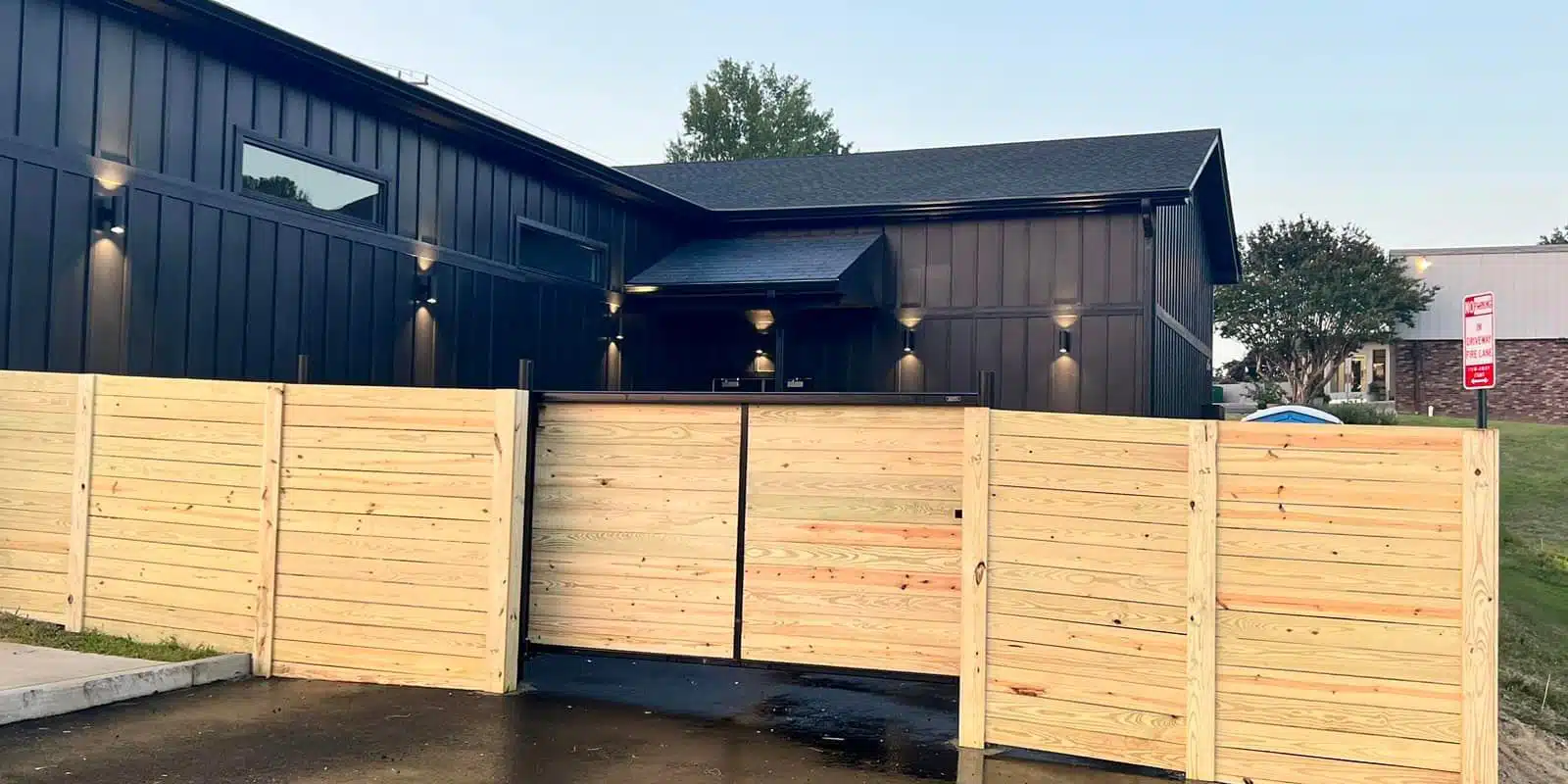
Maintaining a wood fence properly is essential for homeowners who choose these timeless structures for their natural beauty and charm. While wooden fences enhance property aesthetics, they require regular care to withstand environmental challenges from weather and moisture exposure. Effective wood fence maintenance includes protective treatments like staining and sealing, periodic inspections, and prompt repairs of any damage. Though wooden fences demand more attention than alternative materials, a well-maintained wood fence will reward you with decades of durability and visual appeal. This comprehensive guide explores the essential techniques that protect your investment and ensure your wooden fence remains strong and attractive for years to come.
Wooden fences are exposed to the elements throughout the year, including rain, sunlight, wind, and fluctuating temperatures. Over time, these environmental factors can take a toll on the wood, leading to issues such as warping, cracking, fading, and rot. Staining and sealing your wood fence are essential steps to maintaining it from these damaging effects and extend its lifespan significantly.
Applying a fresh coat of protective coating during summer is crucial to prevent sun damage and enhance the longevity of your fence.
Using a spray rig for applying sealers and stains can ensure an even and efficient application, providing better protection for your wooden fence.
Wood is a porous material, which means it can absorb moisture from rain, snow, or even the ground. When wood absorbs water, it swells and contracts with changes in humidity, leading to warping and cracking over time. Additionally, prolonged exposure to moisture can cause the wood to rot, weakening the fence’s structure and compromising its overall integrity. Using pressure-treated wood for fence posts is crucial as it helps protect against rot and pests, although care must be taken to allow the wood to dry after treatment before applying finishes.
Stains are designed to penetrate the wood fibers, creating a protective barrier that repels water. By preventing moisture from seeping into the wood, staining reduces the risk of warping, cracking, and rot. It also helps the fence maintain its structural stability, ensuring it can withstand the rigors of various weather conditions. For cleaning, using a garden hose with a spray nozzle is an effective method to remove loose dirt and debris, complementing more intensive techniques like pressure washing.
Sunlight contains harmful ultraviolet (UV) rays that can cause the wood’s surface to fade and become discolored over time. This is particularly noticeable in sunny regions where the fence is exposed to intense sunlight for extended periods.
Using a semi-transparent stain can enhance the aesthetic appeal of your wooden fence while also providing UV protection.
Wood stains typically include UV inhibitors, which act as a shield against these harmful rays. By applying a stain with UV protection, you can preserve the original color and appearance of your wooden fence for longer, maintaining a fresh and vibrant look.
Staining your wooden fence not only offers protection but also enhances its aesthetic appeal. Wood stains come in various shades and tones, allowing you to accentuate the natural beauty of the wood or change its color to complement your property’s overall design.
After staining or painting, it is crucial to apply a protective sealant to minimize moisture absorption, prevent warping, and extend the lifespan of the wood.
Whether you prefer a transparent stain that highlights the wood’s grain or a solid stain that imparts a rich, opaque color, staining gives you the opportunity to customize your fence’s appearance to match your style and preferences.
The combination of moisture protection and UV resistance provided by wood stains significantly extends the lifespan of your fence. Without proper protection, a wooden fence may require replacement much sooner due to decay, fading, and structural issues.
Using high-quality materials like cedar and redwood can further enhance the fence's longevity, as these woods resist decay and require less maintenance. By regularly getting staining and sealing services for your wood fence, you can enjoy its beauty and functionality for many years beyond what an untreated fence would offer. This translates to long-term cost savings and ensures that your investment in a wooden fence pays off over time.
While staining and sealing are essential for maintaining your wood fence, knowing how often to perform these maintenance tasks is equally important. The frequency of staining and sealing largely depends on several factors, including the type of wood, and the climate. As a general guideline, consider the following points when determining your staining and sealing schedule:
Following the manufacturer's instructions is crucial for optimal results. Adherence to these guidelines ensures correct application, optimal results, and proper maintenance of the wood's appearance and durability.
Wood Type: Different wood species have varying levels of natural resistance to decay and moisture. For example, cedar and redwood are naturally more durable and can withstand the elements better than softer woods like pine. If your fence is made of hardwood or naturally resistant wood, it may require less frequent staining and sealing.
Climate: The climate in your region plays a significant role in how quickly your wood fence will be affected by weather conditions. Areas with high humidity, frequent rainfall, or extreme temperature fluctuations can accelerate wood deterioration. In such climates, you may need to stain and seal your fence more frequently to ensure optimal protection.
Inspection Results: Regularly inspect your wood fence to assess its condition. Look for signs of fading, discoloration, moisture absorption, or damage. If the protective coating appears worn or is no longer repelling water effectively, it’s time for a fresh application.
As a general rule of thumb, it’s recommended to stain and seal your wood fence every 2 to 3 years. However, keep in mind that this timeframe is a rough estimate and may vary based on the factors mentioned above.
Frequent inspections of your wooden fence are crucial for identifying potential issues before they escalate into major problems. Regularly check for signs of damage, such as cracks, warping, or rotting wood. Moreover, ensure the fence posts remain securely anchored in the ground to maintain the fence’s stability. If any damage or wear is detected during inspections, addressing the problem promptly will prevent further deterioration. Additionally, use a soft brush to remove dirt and mildew from the fence to keep it clean and well-maintained.
Maintaining a debris-free area around the fence is equally important. Leaves, branches, and other debris can trap moisture against the fence, leading to rot and other damage. Keep trees and shrubs from growing too close to the fence, as their roots can compromise the integrity of the fence posts, and branches may cause scratches or other harm. When using strong cleaning solutions, remember to wear gloves to protect your hands from harsh chemicals.
With proper maintenance, a well-constructed wooden fence can last between 15 and 20 years. However, depending on the type of wood and environmental factors, this lifespan may vary. It is important to assess the fence for extensive damage, such as severe rotting or structural instability, to determine if replacement is more practical. If your wooden fence has experienced significant damage or wear and is beyond repair, it might be time to consider a replacement.
When selecting a new fence, prioritize high-quality materials designed to withstand the elements and provide long-lasting protection for your property. Although vinyl, aluminum, and wrought iron fences offer their own benefits, a well-maintained wooden fence can offer unmatched natural beauty and charm. Regular inspections can help detect issues early and prevent problems from escalating, saving you from costly repairs in the long run.
While other fence materials like vinyl, aluminum, and wrought iron have their advantages, wooden fences remain a top choice for many homeowners for a variety of reasons, including: aesthetics, custom options, a low carbon footprint, affordability, and ease of repairs. Additionally, using steel posts for fence construction can provide superior longevity and resistance to decay.
Proper maintenance is crucial for the longevity of a wood fence. Regular staining or painting can protect the wood from the elements and prevent rot. It is also important to manage the interaction between the fence and surrounding plants. Vegetation can introduce moisture and cause structural issues, so maintaining a distance between plants and the fence can mitigate damage and moisture accumulation.
Wooden fences offer timeless charm and natural beauty that enhance the overall appearance of any property. The warm and inviting appeal of wood complements various architectural styles, making it a versatile choice for homeowners. Whether you have a rustic cottage, a traditional suburban home, or a contemporary residence, a wood fence adds a touch of elegance and blends seamlessly with the surroundings.
To prevent the wood from turning gray due to weathering and moisture exposure, it is important to use a stain or sealant with UV protection.
Wood also provides a sense of authenticity and connection to nature, making it a preferred choice for those seeking a more organic and harmonious outdoor environment. The natural grain patterns and earthy tones of different wood species further contribute to the unique and appealing look of a wood fence.
One of the standout advantages of wood fencing is the ease with which it can be customized to suit individual preferences. Wood is a highly versatile material that can be cut, shaped, and painted in various ways, giving homeowners the freedom to create a fence that aligns perfectly with their desired aesthetic.
For optimal protection, it is recommended to apply multiple coats of stain. This ensures thorough coverage and enhances the durability of the wood.
Whether you prefer a traditional picket fence, a modern horizontal design, or something entirely unique, wood allows for almost limitless design possibilities. Additionally, you can choose from a wide range of wood stains and paint colors to match your home’s exterior or express your personal style.
Wood is a renewable and eco-friendly resource, making it an environmentally conscious fencing option. Many wood fence materials are sourced from sustainably managed forests, where trees are replanted to replace those harvested for use in fencing.
Using pressure-treated lumber for fence posts is crucial to prevent them from rotting faster due to moisture and insect exposure. This type of lumber prolongs the material's longevity and effectiveness against decay.
Compared to other fence materials that require energy-intensive manufacturing processes and contribute to pollution, wooden fences have a relatively lower carbon footprint. Choosing wood over non-renewable materials helps support responsible forestry practices and reduces the overall environmental impact.
Wooden fences are often more cost-effective than alternative fencing materials like vinyl, aluminum, or wrought iron. Wood is readily available and generally less expensive to purchase and install, making it a budget-friendly option for homeowners looking to add value and security to their property without breaking the bank. However, for those considering metal fences, it is crucial to prevent rust by conducting regular inspections and applying rust-resistant finishes to maintain the integrity of the structure.
Regular maintenance practices, such as regular cleaning, are essential to ensure the longevity of any fence. Incorporating regular cleaning, combined with timely repairs and proper care, significantly contributes to the lifespan of a well-maintained fence.
Wooden fences are an excellent addition to any property, maintaining a timeless elegance and natural appeal. By taking proactive measures like staining and sealing, routine inspections, and maintaining a debris-free environment, you can extend the life and beauty of your wooden fence. Using a power washer with a vinegar solution can effectively clean the fence before these maintenance tasks.
Should your fence experience significant damage or wear, consider replacing it with a high-quality product designed to withstand environmental elements and safeguard your property. Applying a fresh coat of protective coating during the summer is crucial to prevent sun damage and shield the fence from harmful UV rays and heat. With proper care and attention, your wooden fence will stand strong and enhance your home’s charm for years to come.