Call Us: 804-518-8332
Call Us: 804-518-8332

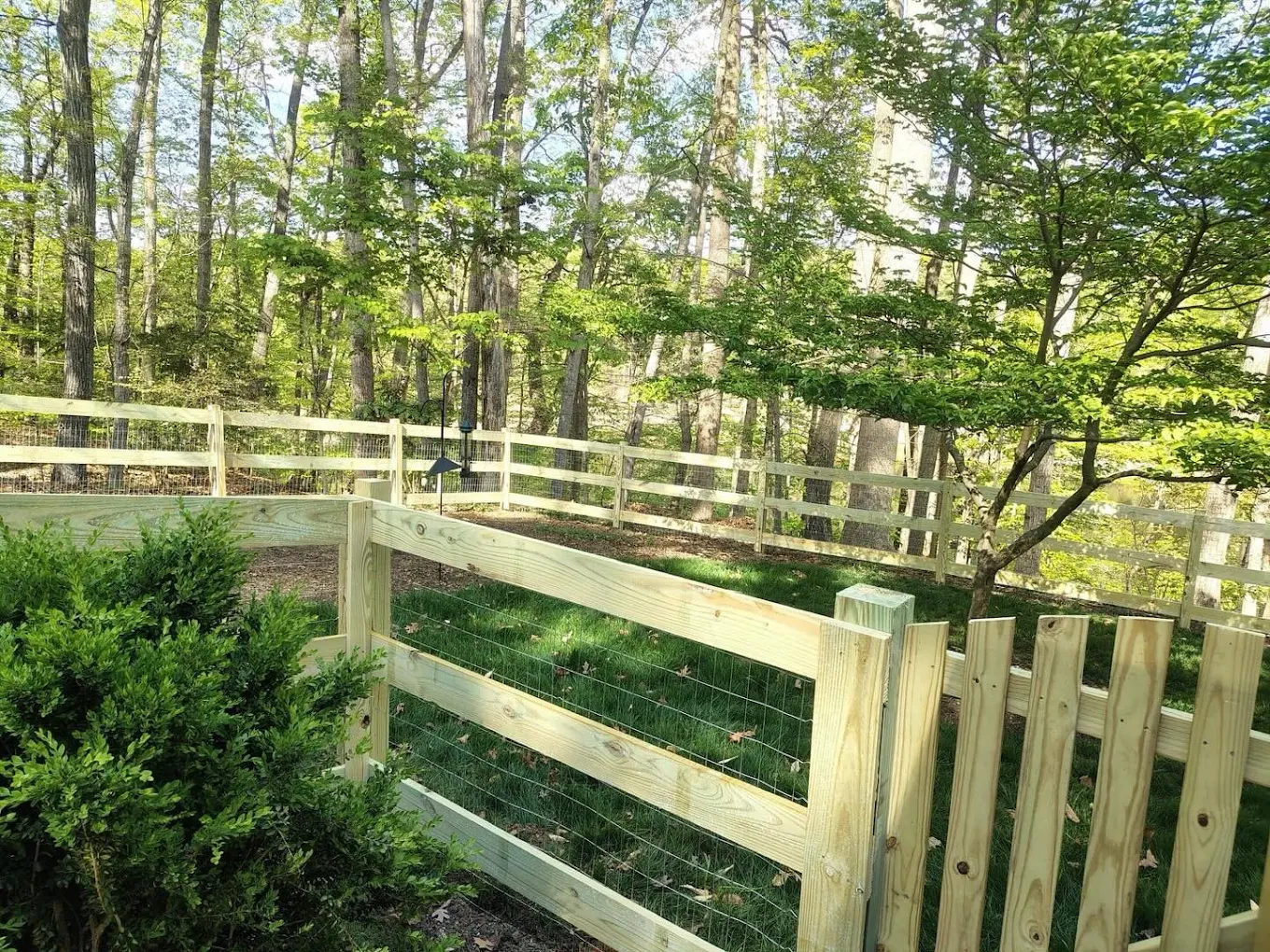
When considering a new fence installation in Richmond, understanding the cost per linear foot is important for budgeting and planning. Pricing can vary significantly depending on yard access, fence removal, and the number of corners or gates involved. Unexpected costs often arise from rocky soil, root removal, or the need to replace an old fence with concrete footings. This article explores the various factors that influence fencing prices, including material types, labor costs, and local regulations, to help homeowners and businesses make informed decisions.
For those interested in residential options, residential fence choices offer a variety of materials and styles to fit different budgets and needs.
The average cost for fence installation in Richmond typically ranges from $12 to $45 per linear foot, depending on the material, layout complexity, and site conditions. Total project costs can vary widely, generally falling between $2,000 and $9,000. If you’re planning a simple boundary fence on flat ground, you’ll likely stay near the lower end. Complex layouts or sloped yards drive up costs.
| Material Type | Typical Cost per Linear Foot | Total Project Cost Estimate |
| Wood Fence | $12 - $35 | $2,500 - $7,000 |
| Vinyl Fence | $18 - $45 | $3,500 - $9,000 |
| Chain Link Fence | $10 - $20 | $2,000 - $6,000 |
Getting 2–3 local estimates is the best way to understand your actual cost. Local contractors can provide quotes that reflect your specific site conditions and project requirements.
When comparing fencing materials, wood, vinyl, and chain link fences each have distinct price points and characteristics that affect cost and maintenance.
Understanding these differences can help homeowners choose the right material based on their budget and aesthetic preferences.
The average price for fencing in Richmond includes several components that contribute to the overall cost. Key elements typically covered in the price are:
Being aware of these components allows homeowners to better understand their total investment in a fencing project.
Several factors can influence the pricing of fence installation in Richmond. These include:
By considering these factors, homeowners can make more informed decisions regarding their fencing projects.
Labor, permits, and terrain are critical elements that can impact the overall cost of fence installation.
Understanding these aspects can help homeowners anticipate potential additional expenses in their fencing projects.
Local regulations and permit requirements play a significant role in determining fencing costs. Homeowners must be aware of:
Navigating these regulations can be complex, but it is crucial for a successful fencing project.
Many homeowners underestimate the impact of site conditions and installation requirements on the final cost. Common overlooked factors include:
Being aware of these realities helps homeowners plan more accurately and avoid surprises.
Common issues include leaning posts from shallow installation, unexpected cost increases due to buried concrete, and delays caused by weather or soil conditions. Misaligned posts or poor layout planning by contractors can also lead to additional expenses and project delays.
Managing fence repair and maintenance costs is essential for homeowners and businesses to ensure the longevity of their investment. Here are some strategies:
By implementing these strategies, property owners can effectively manage their fencing costs over time.
Several factors influence the pricing of fence repairs in Richmond, including:
Understanding these factors can help homeowners prepare for potential repair costs.
Regular maintenance plays a crucial role in influencing long-term fence expenses. Key points to consider include:
By prioritizing maintenance, homeowners can ensure their fences remain in good condition and avoid costly repairs.
Obtaining a free estimate is a vital step in the fencing process. Here’s how homeowners can proceed:
By following these steps, homeowners can ensure they receive accurate estimates tailored to their needs.
The process for obtaining a free estimate from Chesterfield Fencing and More is straightforward:
This process ensures that homeowners have a clear understanding of their fencing project costs.
In Richmond, the best-value fence material comes down to how much maintenance you want to handle and how your property is set up.
Vinyl is typically the lowest-maintenance option and holds up well against moisture and pests, making it a strong long-term choice for many homeowners. Wood is a good fit if you prefer a traditional look and don’t mind ongoing upkeep, but it will require more maintenance over time. Aluminum works well in certain situations, especially where rust resistance matters, but it’s not usually the first choice for privacy.
Beyond material choice, your total cost and long-term performance depend just as much on how the fence is installed. Post depth, spacing (typically 6–8 feet), and how the fence is built to handle wind and soil conditions all affect how well it holds up. Poor installation can shorten the lifespan of even the most durable materials.
At this point, the goal isn’t to find a single “best” material—it’s to match the right fence to your property, your budget, and how much maintenance you’re willing to take on.
The most accurate way to understand your cost is to have your property evaluated in person, since layout, soil conditions, and installation details can change pricing more than most homeowners expect.
Working with an experienced local contractor like Chesterfield Fencing and More means those factors are accounted for upfront—so you get a realistic quote, proper installation, and a fence that holds up over time. Getting a few estimates is still important, but having one from a contractor who understands Richmond’s conditions gives you a reliable baseline for comparing other quotes.