Call Us: 804-518-8332
Call Us: 804-518-8332

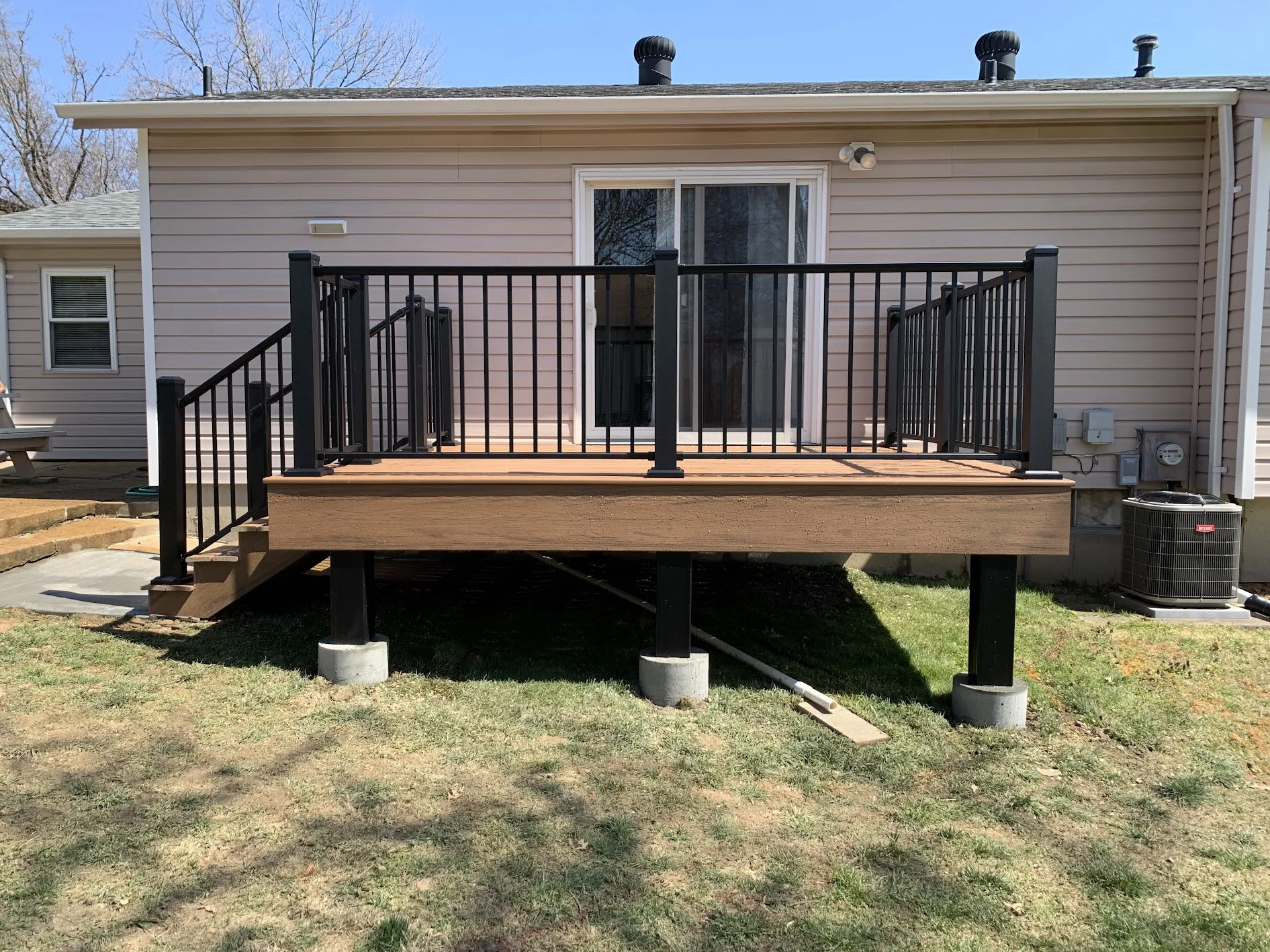
When it comes to maintaining a safe and long-lasting outdoor space, understanding deck drainage solutions can make a big difference. In Virginia Beach, humidity, rainfall, and coastal air all play a role in how well your deck holds up over time. A proper drainage system helps manage water flow, keeping the area underneath dry and preventing damage that can shorten your deck's lifespan. Whether you're planning a new build or improving an existing one, having deck drainage solutions explained helps you make smarter, longer-lasting choices for your home.
A deck drainage system channels water away from your deck's surface and framing to prevent rot, warping, and structural damage. In coastal climates like Virginia Beach, proper drainage protects your investment and extends your deck's lifespan significantly.
A deck drainage system manages how water flows off and under your deck. Without proper drainage, water can collect around deck boards, seep into framing, and cause rot or warping. Over time, trapped moisture can also affect the deck's safety and appearance.
A well-designed drainage system channels water away from the surface and joists, keeping the structure underneath dry. This is especially helpful if you use the space below your deck for storage or as an outdoor lounge area.
In coastal climates like Virginia Beach, where rain and humidity are common, adding or upgrading a drainage system is one of the best ways to protect your investment. Chesterfield Fencing & More often recommends drainage panels or under-deck trough systems that move water efficiently while blending with the deck's design.
The best systems for coastal homes include over-joist, under-joist, and built-in drainage channels. Your choice depends on deck design, material, local weather, and whether you want usable space underneath.
There are several styles of deck drainage systems available today. The best choice depends on your deck's design, material, and how you use the space below.
Over-joist systems sit directly over the joists before deck boards are installed, creating a protective barrier for the substructure. They're ideal for decks exposed to heavy rain or coastal conditions.
These systems sit directly over the joists before the deck boards are installed. They create a barrier that prevents water from reaching the substructure. Because they protect the joists themselves, over-joist systems are ideal for decks exposed to heavy rain or sea air.
Under-joist systems are installed below the framing, like ceiling panels, to catch and redirect water, keeping the space underneath dry and usable.
Under-joist systems are installed below the deck framing and work like ceiling panels. They catch and redirect water into dedicated drainage channels. This keeps the space underneath dry, making it great for storage or covered seating.
Built-in channels are integrated grooves in modern composite boards that guide water off naturally without requiring separate drainage installation.
Some modern decking products, especially composite boards from brands like Trex, come with integrated drainage grooves. These small channels guide water off the surface naturally, reducing pooling and promoting quick drying.
Each option helps extend the life of your deck, but the right fit depends on your setup, local weather, and budget.
Composite decking like Trex is superior for drainage in coastal climates because it resists moisture, sheds water efficiently, and requires no sealing or staining. Wood offers natural beauty but absorbs moisture and needs regular maintenance.
Your decking material plays a big role in how well drainage systems perform.
Wood requires consistent care in humid climates because even treated lumber absorbs moisture over time. Proper spacing, sealing, and staining are essential for adequate drainage.
Wood offers a classic, natural look but needs consistent care in humid climates. Even pressure-treated lumber absorbs moisture over time. Regular sealing and staining can help, but gaps between boards must be properly spaced to allow drainage.
Composite materials resist moisture and mold, shed water efficiently, and require no sanding, staining, or sealing—making them ideal for low-maintenance coastal living.
Composite materials, such as Trex, are engineered to resist moisture and mold. They pair well with deck drainage systems because they shed water efficiently and don't absorb moisture like wood. They also require less upkeep, no sanding, staining, or sealing, making them a smart choice for busy homeowners.
If you're building near the coast, composite decking is often the most reliable, low-maintenance option. Combined with a good drainage setup, it helps your deck last longer and look great despite Virginia Beach's changing weather.
Professional installation involves inspection, material selection, system installation, and testing to ensure proper water flow. Proper slope, alignment, and sealing are critical, especially in humid coastal areas.
Installing a deck drainage system is best handled by a professional who understands your deck's structure and layout. Here's a general overview of what happens during installation:
While DIY kits exist, professional installation ensures proper slope, alignment, and sealing, which is especially important in humid areas where even small mistakes can lead to leaks or trapped moisture.
Regular cleaning, blockage checks, leak inspections, and annual professional reviews keep your drainage system performing effectively. Use mild cleaners on composite materials to avoid damaging protective coatings.
Once your drainage system is in place, a little maintenance goes a long way toward keeping it performing at its best.
Routine upkeep keeps your system clear and effective, helping your deck stay dry and strong for years.
Keeping your deck dry isn't just about comfort. It's about protecting your investment. With the proper drainage system, you can prevent water damage, reduce maintenance costs, and make your outdoor space more usable throughout the year.
Chesterfield Fencing & More specializes in designing and installing custom deck drainage systems built for Virginia Beach's coastal climate. From choosing durable materials like Trex composite decking to ensuring water flows safely away from your home, our team handles every detail with care.
Contact Chesterfield Fencing & More today for a free consultation and estimate. Let our experts help you create a durable, low-maintenance deck that stays beautiful and dry, season after season.