Call Us: 804-518-8332
Call Us: 804-518-8332

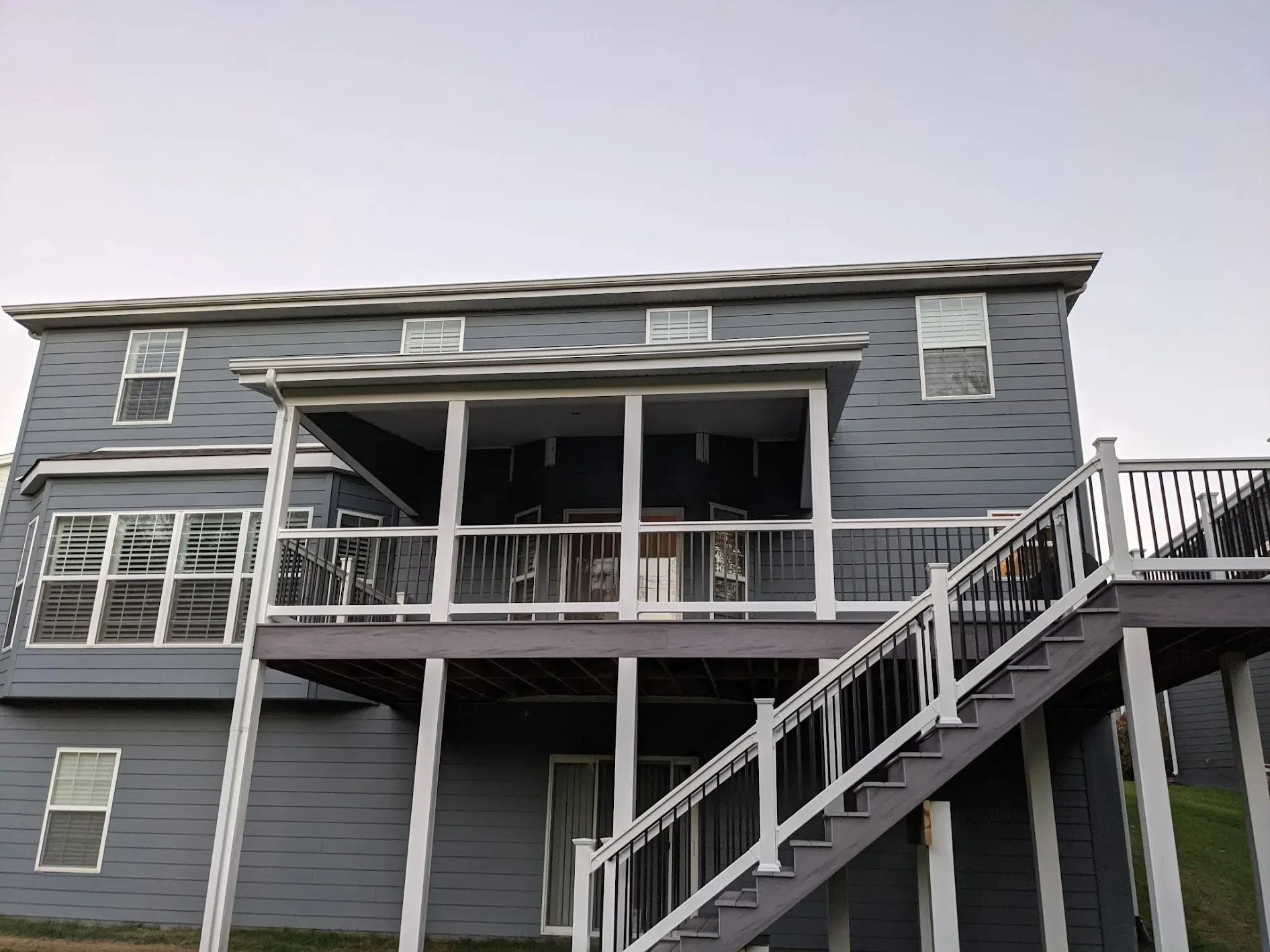
If you live near the coast—especially in areas like Virginia Beach—deciding whether to build a covered deck comes down to how much protection your space needs from sun, wind, and salt exposure over time. Coastal environments present unique challenges that affect not only the decking surface but also the structural components and hardware. Understanding these factors will help you make the best choice for your outdoor living space.
A covered deck offers significant advantages in coastal settings by providing shelter from harsh sun, rain, and wind, extending the usability of your outdoor space year-round. However, it also entails higher initial costs and design considerations specific to coastal weather conditions.
Pros of Covered Decks:
Cons of Covered Decks:
Near the coast, salt air doesn’t just affect decking—it corrodes fasteners, connectors, and even roof framing hardware if the wrong materials are used. We often see covered decks fail not from the decking itself, but from poorly ventilated roof structures that trap moisture, leading to mold, rot, and structural damage.
Strong coastal winds demand that roof structures and fasteners be engineered to resist uplift and corrosion. Without proper ventilation and drainage, moisture can accumulate under the roof, accelerating deterioration. In Virginia Beach, constant salt exposure and strong coastal winds make these factors even more important. These conditions make material selection and design critical for long-term performance.
Choosing the right materials is essential to withstand the harsh coastal environment. Here are some of the best options:
In addition to decking materials, use stainless steel or coated fasteners and connectors to prevent corrosion. Avoid standard galvanized hardware, which can fail quickly in salt air. In coastal projects, we often see standard hardware fail within a few years if it isn’t rated for salt exposure.
Covered decks typically cost 20-50% more than uncovered decks due to additional materials, labor, and structural requirements such as roofing and ventilation systems. Costs vary based on size, roofing materials, and design complexity. Obtaining a deck builder consultation or installation quote is recommended to understand specific pricing for your project.
| Feature | Covered Deck | Uncovered Deck |
| Protection from Sun and Rain | High | None |
| Material Longevity | Longer | Shorter |
| Maintenance Needs | Moderate | Higher |
| Outdoor Usability Year-Round | Yes | Limited |
Uncovered decks near the coast often fade, crack, or require replacement sooner due to constant UV and salt exposure. The decking surface can deteriorate quickly without protection.
Based on our experience working on coastal projects in Virginia Beach and surrounding areas, we often see covered decks fail not from the decking itself, but from poorly ventilated roof structures that trap moisture, leading to mold, rot, and structural damage. We frequently see failures caused by trapped moisture in roof framing or inadequate ventilation, which accelerates wood decay and metal corrosion.
Maintaining a covered deck near the ocean is essential for longevity. Key maintenance practices include:
An uncovered deck may be preferable if you:
Uncovered decks still provide excellent outdoor living space but require more frequent maintenance and earlier replacement due to exposure.
Common covered deck structures include roof extensions and pergolas:
Roof Extensions: Offer full coverage with solid roofing materials, providing maximum protection from the sun and rain. They require more investment but deliver superior weather resistance and durability.
Pergolas: Feature open or semi-covered designs that offer partial shade and aesthetic appeal. They are generally less expensive but provide limited protection from rain and wind.
The design and functionality of your deck impact its usability and longevity. Proper material selection, ventilation, and drainage are critical in coastal environments. A functional layout enhances usability, allowing for comfortable gatherings and easy maintenance. Incorporating lighting and safety features can further improve your outdoor experience.
Choosing between a covered and uncovered deck near the coast comes down to how you plan to use the space and how much exposure your property gets to sun, wind, and salt air. In most coastal environments, a covered deck provides better long-term protection and usability—but only if it’s designed with proper ventilation, drainage, and corrosion-resistant materials. This is especially true for properties closer to the oceanfront, where salt exposure is highest.
At Chesterfield Fencing & More, we regularly work with homeowners in Virginia Beach and surrounding coastal areas, designing and building decks that account for salt exposure, wind loads, and long-term durability.