Call Us: 804-518-8332
Call Us: 804-518-8332

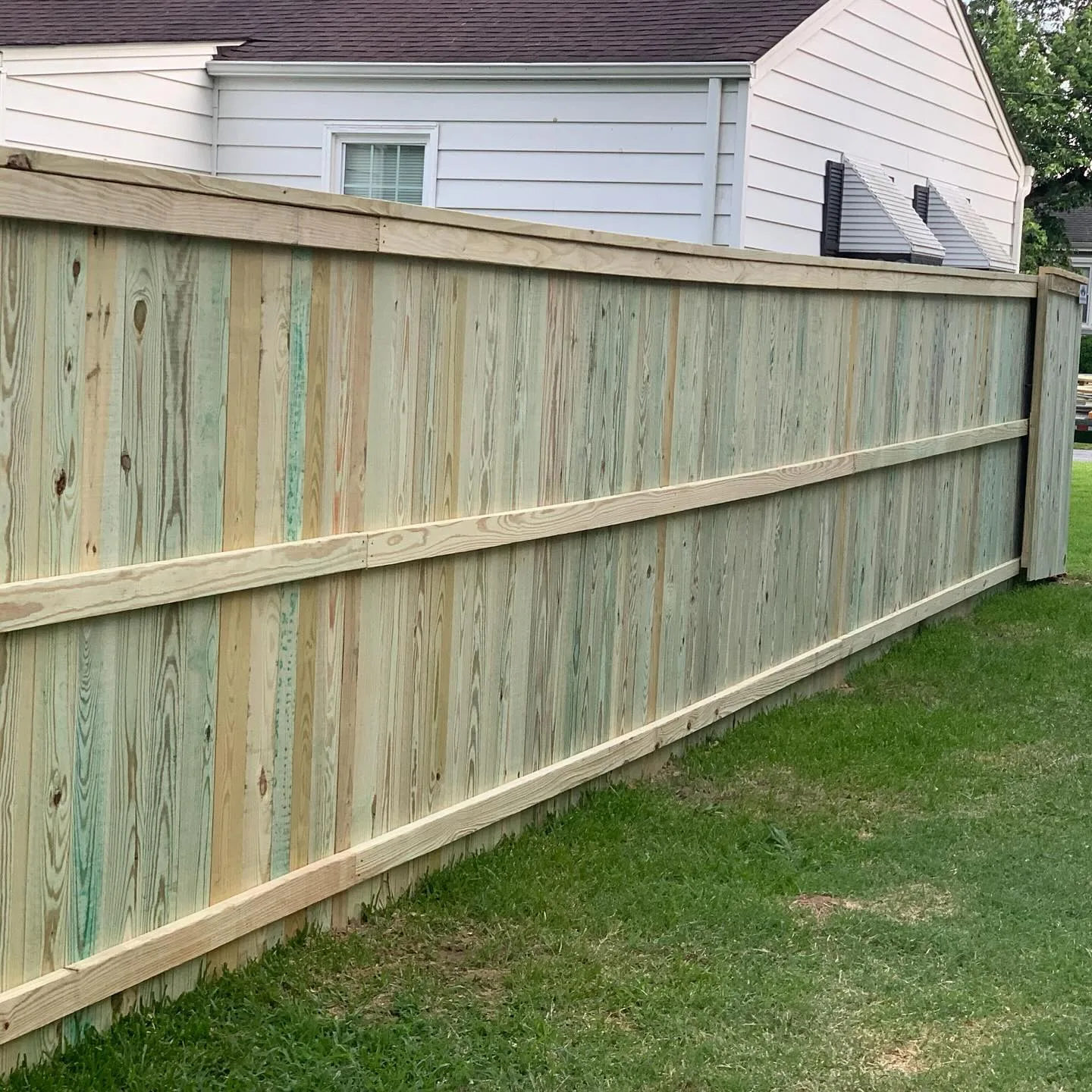
Wood fences remain one of the most popular choices for homeowners who want privacy, charm, and security. Over time, however, wood can develop issues from weather, moisture, and daily wear. Knowing how to recognize the early signs of fence damage can help you avoid major repairs and protect your property’s appearance.
In Virginia Beach, where weather conditions shift from hot summers to wet winters, understanding the most common problems with wood fences is the first step toward keeping them in great condition. Whether you maintain your own fence or rely on professional services, staying informed can save time, money, and frustration in the long run.
Wood fences are durable when built well, but they require regular attention. Virginia Beach’s climate, with periods of heavy rain and high humidity, often leads to issues such as wood rot, loose posts, and warping. Homeowners who inspect their fences regularly can catch problems before they become serious.
Preventive Measures
To prevent these common issues, schedule an annual inspection to check for early signs of fence decay. Keep plants and soil from touching the base of your fence, which allows air to circulate and prevents trapped moisture. Clean off dirt and debris to reduce mold buildup, and reseal or repaint your fence every few years to create a barrier against the elements.
For busy homeowners, scheduling a maintenance visit with Chesterfield Fencing & More can be an easy way to stay ahead of small repairs before they spread. Professional inspections help you identify weak spots and protect your investment for the long term.
When you notice early signs of fence damage, acting quickly makes all the difference. Chesterfield Fencing & More has years of experience diagnosing common problems with wood fences throughout Virginia Beach and the Hampton Roads area. Our team understands how weather, soil, and age affect wooden fences in this region.
We start with a thorough inspection to check for warped boards, rotting posts, leaning fences, or missing fasteners. Many homeowners first notice problems such as small cracks or shifting panels, but underneath the surface, moisture may already be weakening the structure. We look for signs like soft posts, broken rails, and discolored wood that suggest deeper issues.
Every fence repair is tailored to the property. Whether you have a privacy fence, picket fence, or custom wooden design, our technicians use durable materials to restore strength and appearance. We handle anything from small fixes to full rebuilds, always focused on keeping your property secure and attractive.
Fence decay is one of the biggest threats to wooden fences. In Virginia Beach, where humidity and rainfall are frequent, untreated wood can quickly absorb moisture and begin to break down. The first sign of fence decay is often soft or darkened areas on boards or posts. If left untreated, the decay spreads, weakening the structure until full replacement becomes necessary.
To extend your fence’s lifespan, create conditions that allow wood to dry out quickly after rainfall. Keep plants trimmed back, clear away debris that traps moisture, and reapply wood sealant every two to three years. During hot months, check for boards that feel spongy or show signs of splitting. These early clues indicate where decay has started.
Professional Help for Advanced Decay
When large sections of your fence are affected, professional intervention is the safest option. Chesterfield Fencing & More inspects the entire structure, including underground post bases, to determine how deep the damage runs. Our technicians can replace decayed posts, rebuild panels, and treat remaining wood with preservatives that slow future decay.
Wood rot is one of the most common and destructive problems homeowners face with fences. It usually starts at the base of posts or near ground level, where water collects. Early detection saves time and prevents costly replacements.
How to Identify Wood Rot
Check for boards that feel soft or spongy when pressed. A musty odor or dark brown patches often signal rot beneath the surface. Use a screwdriver to gently test questionable areas. If the tool sinks easily into the wood, it’s time for immediate repair.
Steps to Stop the Spread
If the damage is limited, you may be able to fix small areas yourself. For larger cases, where rot has reached multiple posts or rails, professional replacement ensures safety and stability. Chesterfield Fencing & More uses rot-resistant lumber and pressure-treated materials designed for Virginia’s weather patterns. Our repairs prevent the problem from returning and help maintain your fence’s original appearance.
Not every fence issue requires a full rebuild. Some problems can be solved with simple repair work, while others demand complete replacement. Knowing when to do which helps you make smart, cost-effective decisions.
When to Repair
Minor fence damage like cracked boards, split rails, or missing nails, can often be fixed easily. Tightening fasteners, sanding rough spots, or patching small holes with wood filler keeps the fence solid and attractive. If the structure is stable and rot hasn’t spread, targeted repairs can extend its life for years.
When to Replace
If boards are warped, rotted through, or no longer hold nails, replacement is necessary. Ignoring damaged wood can cause larger sections of your fence to fail. The same applies to leaning fences or unstable posts that continue to shift even after adjustments.
Professional Support
Our team at Chesterfield Fencing & More helps homeowners evaluate whether repair or replacement makes the most sense. We combine honest advice with reliable service, making sure every fence looks its best and functions safely. Whether you have one broken post or several failing panels, we offer solutions designed to match your fence style and budget.
Maintaining your wood fence is not just about appearance, it’s about protecting your home’s boundaries, privacy, and value.
A leaning fence is a clear sign that structural support has been compromised. In Virginia Beach, heavy rainfall and soft soil often cause fence posts to loosen. Other times, the problem stems from decayed wood underground or improper installation depth.
Common Causes of Leaning Fences
How to Correct a Leaning Fence
For mild leaning, the solution may be as simple as bracing posts and reinforcing them with gravel or concrete. Severely tilted fences often need new posts or reset foundations. Before repairing, always check for signs of decay at the base. Replacing just the damaged section ensures the fence remains stable for the long term.
Professional Repair Services
Chesterfield Fencing & More provides expert solutions for leaning fences across Virginia. Our team stabilizes posts, replaces damaged rails, and strengthens weak panels to restore alignment and durability. After repairs, we apply protective finishes that shield wood from future weather damage.
If your fence has started to lean or shift, don’t wait. Small movement today can lead to full collapse tomorrow. A professional inspection can pinpoint the cause and save you from more expensive replacements.
Regular inspection and timely repairs help your wood fence withstand Virginia’s changing weather for years to come. By staying alert to signs of fence decay, wood rot, and leaning posts, you can prevent small issues from becoming major problems.
For dependable service and long-lasting results, reach out to Chesterfield Fencing & More. Our skilled team handles everything from minor fence maintenance to full replacements with a variety of fencing options, always with attention to detail and customer satisfaction. Keep your property secure, your fence sturdy, and your investment protected.
Contact Chesterfield Fencing & More today for a free estimate and professional advice on maintaining your wooden fence.