Call Us: 804-518-8332
Call Us: 804-518-8332

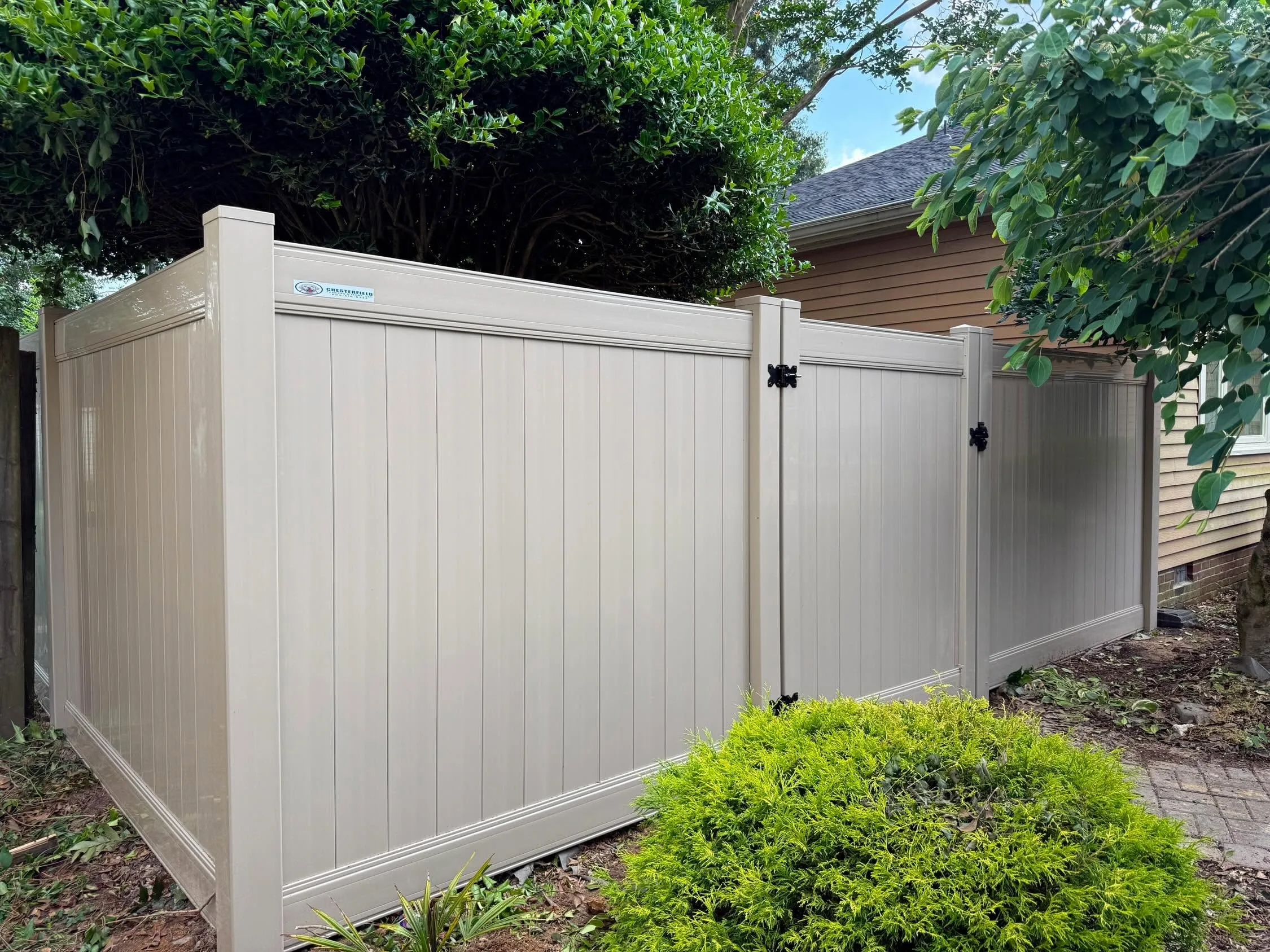
Creating backyard privacy without losing sunlight starts with knowing what you are trying to block and how you use the space every day. Many homeowners assume the answer is a tall, solid fence around the entire yard, but that can make a patio, deck, or small backyard feel darker and more enclosed than expected. In many cases, a better solution is to screen the specific views that bother you most while leaving the rest of the yard open to light and airflow.
The right approach depends on your yard layout, sun exposure, neighboring properties, and local fence rules. A neighbor’s second-story window, a side-yard walkway, a nearby patio, or a street-facing view may each require a different solution. Semi-private fencing, lattice sections, horizontal slats, trellises, pergolas, and layered landscaping can all improve privacy, but they work best when they are placed where the sightline problem actually occurs.
Before choosing a fence height or material, it helps to watch how sunlight moves through the yard in the morning, afternoon, and evening. A fence section that works well on one side of the yard may cast too much shade on another. By balancing sightlines, sun direction, airflow, and spacing, you can create a backyard that feels more private without feeling boxed in.
Yes, it’s possible to improve backyard privacy without sacrificing natural light. The key is to use fence designs and materials that provide a visual barrier while allowing light to pass through.
By focusing on openness and layering, you can create more privacy without making the yard feel closed in.
Start by standing where you spend the most time, such as the patio, deck, pool area, or back door. Then identify the exact view you want to block: a neighbor’s second-story window, a side-yard walkway, a street view, or a nearby patio. You may not need to screen the whole yard if one targeted section solves the problem. Focusing on these sightlines helps avoid overbuilding and preserves light and openness in other areas of the yard.
For elevated views, a fence alone may not solve the problem; taller plantings, a pergola screen, or angled screening near the seating area may work better than simply raising the fence.
Natural light depends largely on sun path, fence location, and time of day. A tall fence on the south or west side of a yard can create more noticeable afternoon shade, while a semi-private section on the north side may have less impact on sunlight. Before choosing fence height or spacing, observe where the sun hits the yard in the morning, afternoon, and early evening. This understanding allows for smarter placement and fence design that minimizes unwanted shading while maintaining privacy.
Several fence styles balance privacy with light permeability effectively:
These styles support privacy needs while maintaining a welcoming feel.
| Fence style | Privacy level | Natural light |
| Shadowbox fence | Moderate privacy / Allows some light and airflow | Moderate |
| Lattice-top fence | Strong lower-section privacy / Filtered light at top | Filtered sunlight through a lattice |
| Spaced board fence | Low to moderate privacy / Allows the most light | High |
| Horizontal slat fence | Adjustable privacy / Depends on gap size and board offset | Variable based on spacing |
Semi-private fences offer a balance between seclusion and light flow compared to solid fences. While solid fences provide maximum privacy, they often block sunlight and can make spaces feel closed in. Semi-private designs:
For backyards where brightness is important, semi-private options are usually preferable.
Semi-private fences depend heavily on spacing and orientation. Small spacing between boards can filter light while limiting direct views. Wider gaps brighten the yard but reduce privacy. Angled or offset boards can help block straight sightlines while still allowing air and light to pass through. This nuanced design approach allows personalization of privacy and brightness levels.
Fence height directly impacts privacy and light penetration. Taller fences increase privacy but can cast shadows and block light, making the yard feel smaller.
Proper height selection keeps your backyard private without sacrificing a sunny, open atmosphere.
The right materials influence both privacy level and light transmission, as well as durability and maintenance requirements:
Select materials that support your design goals for aesthetics, brightness, and maintenance.
Horizontal slat fences use narrow, evenly spaced slats to provide a modern privacy solution while allowing light and partial views.
This design is a practical choice for homeowners seeking a balance of privacy and light.
Yes, these structures enhance privacy without blocking sunlight:
Integrating these elements adds dimension and comfort to your backyard space.
Backyard layouts that layer elements and optimize sightlines facilitate privacy with light:
Thoughtful layouts maintain openness while reducing visibility where it matters.
Before choosing fence height or panel style, check local fence regulations and HOA guidelines. Some neighborhoods limit fence height, require the finished side to face outward, or restrict materials and colors. Also, consider which boundaries face neighbors or public spaces to tailor the fence style and privacy level accordingly while respecting community standards.
Some design errors can hinder privacy while diminishing natural light and openness:
Avoiding these mistakes ensures your backyard remains private and inviting.
A bright privacy plan usually combines one or two targeted sections of fencing with open materials, partial screens, or layered landscaping. Focus on the views that matter most, then choose height, spacing, and materials based on sunlight, airflow, and local rules.
For example, if the main issue is a neighbor’s patio looking into your dining area, a short run of semi-private fencing or a trellis near that sightline may solve the problem without shading the entire yard.
A bright, private backyard usually comes from targeted screening rather than enclosing every side with a tall, solid fence. The best design starts with identifying the views you need to block, understanding the direction of sunlight, and considering how you use the space throughout the day. Semi-private fences, lattice sections, horizontal slats, trellises, pergolas, and layered landscaping can all help control visibility while keeping the yard comfortable and open. A fence contractor can help match the layout, material, height, and board spacing to your privacy goals without overbuilding the space.