Call Us: 804-518-8332
Call Us: 804-518-8332

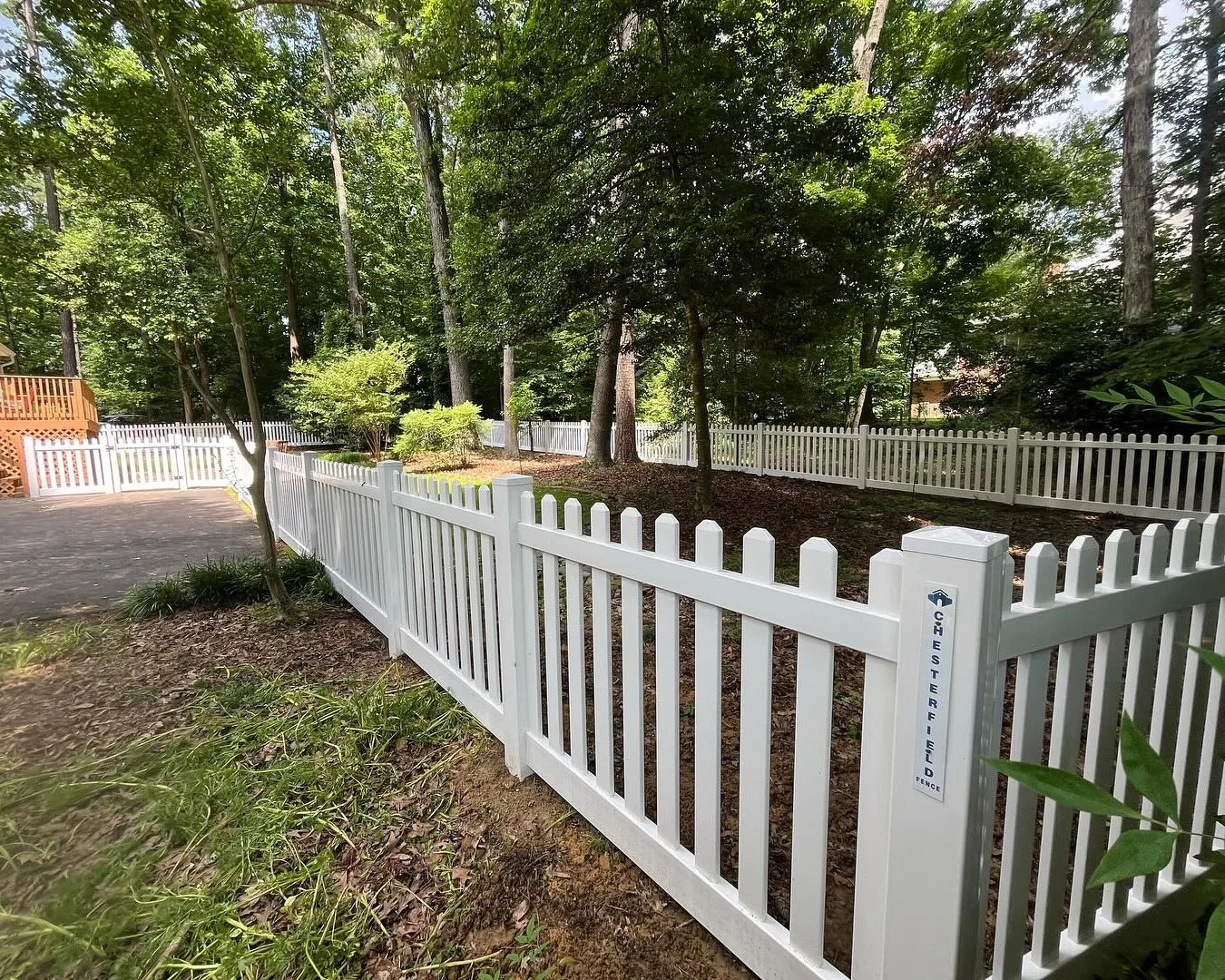
Have you ever thought, "How hard could it be to build a fence?" DIY fence projects often start with high hopes but can quickly spiral into unexpected challenges.
While taking on a fencing project yourself might seem like a cost-effective way to enhance your property, mistakes in planning, installation, or materials can lead to headaches, repairs, and wasted time.
In this guide, we'll explore five valuable lessons learned from DIY fence projects that went awry and share expert tips to help you sidestep these common pitfalls for a smoother, more successful installation.
Fence installation requires careful preparation to avoid common pitfalls. There are three main areas where planning often fails:
One of the most common mistakes is ignoring local regulations. Many areas have zoning laws that dictate the height, placement, and type of fence allowed. Failing to check these rules can lead to fines or having to redo the entire project.
Knowing the exact location of property boundaries is equally important. Building on a neighbor's land, even by a small margin, can result in disputes or legal action.
Underestimating costs can bring a project to a standstill. Fences require more than just wood or metal. There are screws, hinges, cement, and potentially even specialized tools.
Without a clear budget, you may find yourself running out of money before the job is complete, leaving an unfinished fence that compromises your property's security and appearance.
The terrain and weather conditions of your property can impact the success of your fence. Fences on uneven ground may need extra adjustments or materials. Areas prone to heavy rainfall require proper drainage solutions to prevent posts from shifting.
The stability of a fence begins with properly installed posts. There are three common errors in post installation that can cause problems:
A common issue with DIY fence installation is not digging post holes deep enough. Shallow holes leave posts vulnerable to movement, especially in high winds or with heavy loads. To ensure stability, posts should extend at least a third of their length into the ground.
Another frequent mistake is using the wrong materials to secure posts. Some DIYers skip concrete entirely or use insufficient amounts, thinking it's unnecessary.
Without a solid base, posts can shift over time, creating an uneven fence. Using quick-set concrete and ensuring it fills the hole properly can prevent these problems.
The type of soil on your property also plays a role in post stability. Loose or sandy soil may require additional reinforcements, such as gravel at the base of the hole, to provide drainage and reduce movement.
Clay soil, on the other hand, can retain too much water, which can weaken the foundation over time. Taking the time to assess and adapt to soil conditions can save your fence from early wear and tear.
Selecting the right materials for a fence may seem straightforward, but it requires careful thought.
Wooden fences remain a popular choice for many homeowners, but not all wood performs the same in every climate. Untreated wood can quickly succumb to rot in wet or humid areas, leaving your fence weak and unattractive. Treated wood or naturally durable options like cedar and redwood can handle moisture much better, making them ideal for rainy regions.
Metal fences, while strong, can face challenges in humid environments. Materials like iron or steel that lack protective coatings are especially prone to rust.
Over time, this can compromise the fence's structure and appearance. Opting for galvanized or powder-coated metals helps prevent these issues, making your fence more durable in wet climates.
Vinyl fencing is a low-maintenance option, but it isn't perfect for every situation. In areas with extreme heat, vinyl can warp or crack, while freezing temperatures may cause brittleness. Thick, high-quality vinyl can better withstand temperature fluctuations.
Untreated materials are more susceptible to damage from the elements. Wood can rot, and metal can rust if not properly treated.
Applying a sealant or protective coating during installation can significantly extend the life of the fence. It requires minimal effort upfront but saves time and money in the long run.
Spacing between fence boards or panels is essential for airflow and water drainage. Without adequate gaps, moisture can become trapped, leading to mold or warping. Proper spacing also prevents pressure build-up from wind, which can weaken the fence structure over time.
Many DIYers overlook the importance of choosing corrosion-resistant fasteners. Using nails or screws that rust can compromise the structural integrity of the fence. Opting for galvanized or stainless-steel fasteners helps prevent these issues and reduces future maintenance needs.
Fence installation may seem straightforward, but it requires a mix of technical know-how and physical labor. Many DIYers start without fully understanding the complexities of leveling, measuring, and securing materials. Mistakes such as misaligned panels or uneven post placement often happen when someone takes on more than they're ready to handle.
Building a fence can be a time-consuming task, especially for someone without experience. Digging post holes, waiting for concrete to set, and assembling panels all take longer than many people anticipate. What starts as a weekend project can quickly stretch into weeks, leaving your yard in disarray and your patience wearing thin.
Learning from common DIY mistakes can make your fence installation smoother and more successful.
At Chesterfield Fencing & More, we specialize in crafting fencing solutions that enhance security, privacy, and style for homes and businesses in the Greater Richmond area. From classic wood to sleek aluminum designs, our licensed team handles every detail of the installation process. Backed by a workmanship warranty, we ensure quality that lasts.
Get in touch today to find out how we can help with your fence needs!